

Brisbane’s sunny climate makes solar power an attractive option for many homeowners looking to generate electricity from renewable energy. However, choosing a solar system is more than simply selecting a number of panels and arranging an installation. Roof characteristics, household electricity consumption, system size, equipment quality, budget, future energy needs, and installation standards can all influence how well a solar system performs.
Before proceeding with Residential Solar Installation Brisbane, homeowners should understand the important factors that affect system design and long-term performance. A properly planned solar installation can help a household make better use of available sunlight while reducing reliance on electricity from the grid.
Solahart Strathpine is your trusted local specialist for residential solar power installation in Brisbane. We’re part of the nationwide Solahart network, proudly based in Brendale and serving suburbs across Brisbane and its surrounding areas. Our team comprises licensed electricians and plumbers with extensive experience in residential solar installations.
1. Understand Your Household Electricity Usage
One of the first considerations before installing solar is understanding how much electricity your home actually uses. Looking at recent electricity bills can provide useful information about your average daily and annual consumption.
Electricity usage can vary considerably between households. A smaller home with efficient appliances may use significantly less energy than a larger property with air conditioning, electric hot water, pool equipment, or an electric vehicle.
Your electricity consumption pattern is also important. For example, if most household electricity is used during the daytime, solar generation can potentially offset more of that consumption directly. If energy use is concentrated in the evening, you may need to consider how you can use daytime solar generation efficiently or whether battery storage is appropriate.
Reviewing your electricity usage before selecting a system helps create a more suitable solar design rather than relying on a standard system size.
2. Assess Your Roof
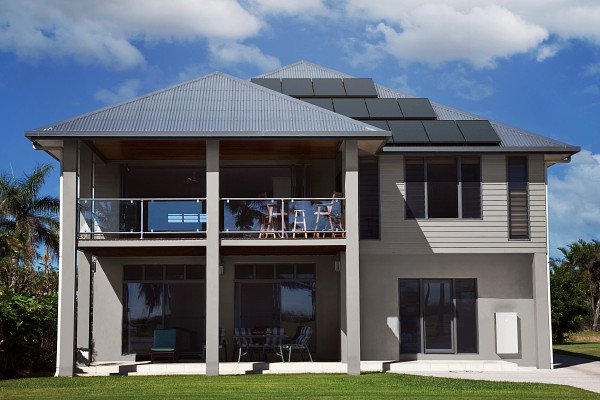
The roof is one of the most important physical considerations for residential solar installation. Solar panels need suitable space where they can receive sufficient sunlight throughout the day.
A professional assessment should consider:
- Available roof area
- Roof orientation
- Roof pitch and structure
- Shading from trees and nearby buildings
- Existing roof condition
- Roof materials
- Potential locations for solar equipment
Brisbane homes can have a variety of roof designs, including tiled, metal, and other roofing materials. The installation approach and mounting requirements may vary depending on the property.
If the roof is old or requires significant repairs, it may be practical to address those issues before installing solar panels. Removing and reinstalling panels later can add unnecessary complexity and cost.
3. Consider Brisbane’s Sunlight and Shading
Solar panels generate electricity from sunlight, but the amount of electricity produced changes throughout the day and across different seasons. Brisbane generally receives substantial solar resources, but individual properties can experience very different conditions.
Trees, neighbouring buildings, chimneys, roof structures, and other obstacles can cast shadows over panels. Even partial shading can affect the performance of a panel or, depending on the system design, a group of panels.
During a site assessment, installers should identify potential shading issues and determine the most suitable panel arrangement. Panel placement should balance available roof space, sunlight exposure, electrical design, and practical installation requirements.
4. Choose an Appropriate Solar System Size
Solar systems are available in various sizes, and choosing the right capacity is an important part of Residential Solar Installation Brisbane planning.
A larger system is not automatically the best choice for every home. The appropriate size depends on factors such as:
- Current electricity consumption
- Daytime energy usage
- Roof space
- Available sunlight
- Budget
- Future electricity requirements
- Battery storage plans
- Electrical connection considerations
Households expecting their energy consumption to increase may want to consider future needs during system design. For example, installing an electric vehicle charger, switching from gas to electric appliances, or adding additional air conditioning can change future electricity consumption.
A professional assessment can help homeowners compare different system sizes and understand how each option relates to their energy requirements.
5. Think About Solar Battery Storage
Solar panels generate electricity primarily during daylight hours, while household electricity demand may continue after sunset. A battery can store some excess solar generation for later use.
Battery storage is not essential for every solar installation, but it can be worth considering depending on household energy habits and objectives.
For example, a family that generates considerable solar electricity during the day but uses more power during the evening may be interested in storing some of that energy. Battery systems can also be considered as part of a broader strategy for managing household electricity consumption.
Before choosing a battery, homeowners should consider usable storage capacity, battery technology, installation location, warranty conditions, system compatibility, and expected energy requirements.
6. Select Quality Solar Panels
Solar panels are a major component of any residential system, so equipment selection deserves careful attention. Panels can differ in efficiency, construction, warranty terms, degradation characteristics, and physical dimensions.
A panel with a higher efficiency rating can produce more electricity from a given amount of roof space, although efficiency is only one factor to consider.
Homeowners should also review:
- Manufacturer reputation
- Product warranty
- Performance warranty
- Panel efficiency
- Temperature performance
- Physical dimensions
- Expected degradation
- Compatibility with the proposed system
It is useful to compare the complete system rather than selecting panels based only on their advertised capacity.
7. Pay Attention to the Inverter
The inverter is another critical component of a solar system. Solar panels produce direct current electricity, while most household appliances use alternating current. The inverter converts the electricity into a form suitable for household use and grid connection.
Different inverter technologies and configurations are available. The most suitable option depends on the system design, roof layout, shading conditions, panel arrangement, and future expansion requirements.
When comparing inverters, homeowners should look at efficiency, warranty, monitoring features, reliability, installation requirements, and compatibility with batteries where relevant.
A solar system should be designed as a complete electrical system rather than treating the inverter as an afterthought.
8. Check Installation and Electrical Requirements
Solar installation involves more than attaching panels to a roof. The system must be installed according to applicable electrical and safety requirements.
A qualified installation team can assess the property’s electrical infrastructure, switchboard, cabling, inverter location, roof mounting requirements, and other relevant components.
Some homes may require electrical upgrades before a solar system can be installed. The existing switchboard, wiring, or other equipment may need assessment depending on the age and configuration of the property.
Using appropriately qualified professionals helps ensure the installation is designed and completed with safety and compliance in mind.
9. Consider the Condition of Your Switchboard
The switchboard plays an important role in the electrical operation of your home. Older switchboards may not be suitable for every modern electrical upgrade without modification.
During a solar assessment, the installer can inspect the switchboard and identify whether upgrades or additional protection may be required.
This is particularly relevant for older Brisbane homes where electrical infrastructure may have been installed many years ago. Addressing switchboard requirements during the solar project can help avoid unexpected work later.
10. Understand Grid Connection Requirements
Most residential solar systems are connected to the electricity grid. This allows homeowners to use grid electricity when solar generation is insufficient and, where applicable, export excess electricity to the grid.
Grid connection requirements can vary depending on the property, electricity network, and proposed system. There may be technical requirements associated with system capacity, inverter specifications, export arrangements, and connection approval.
Homeowners should understand these requirements before installation rather than assuming that any system can be connected in exactly the same way.
A qualified solar installer can help explain the relevant connection process and identify requirements associated with the proposed system.
11. Compare Electricity Plans and Feed-in Tariffs
Installing solar does not automatically determine how much a household will save. The electricity plan associated with the property can also affect the financial outcome.
Feed-in tariffs are payments or credits that may be provided for eligible electricity exported to the grid. However, rates and conditions vary between electricity retailers and plans.
Homeowners should compare the cost of electricity purchased from the grid with the value offered for exported solar electricity. In many cases, using more of your solar generation within the home can be an important part of managing energy costs.
Reviewing electricity plans after installing solar may also help ensure the selected tariff remains suitable for the household’s energy profile.
12. Consider Future Household Changes
Solar system planning should not focus only on today’s electricity usage. Think about what your household may look like several years from now.
Potential changes include:
- Purchasing an electric vehicle
- Installing additional air conditioning
- Replacing gas appliances with electric alternatives
- Adding a pool or spa
- Increasing work-from-home electricity consumption
- Expanding the home
- Installing additional electrical appliances
These changes can increase electricity consumption. Discussing future plans with an installer can help determine whether the proposed system provides suitable flexibility.
13. Review Warranties and After-Sales Support
Solar equipment is expected to operate for many years, making warranty coverage an important consideration. Homeowners should understand the warranties provided for panels, inverters, batteries, and installation work.
Do not focus solely on the length of a warranty. Also consider what the warranty covers, who provides support, and how service requests are handled.
Local after-sales support can be particularly useful when maintenance, troubleshooting, or system questions arise.
14. Choose an Experienced Local Installer
The quality of installation can be just as important as the equipment selected. A professionally designed system should account for the property’s roof, electricity consumption, shading, electrical infrastructure, and connection requirements.
Choosing an experienced local team for Residential Solar Installation Brisbane can also provide familiarity with Brisbane’s housing styles, environmental conditions, and local installation considerations.
Solahart Strathpine operates from Brendale and serves homeowners throughout Brisbane and surrounding suburbs. As part of the nationwide Solahart network, the local team combines local service with the experience of an established Australian solar brand. Its licensed electricians and plumbers have experience working with residential solar installations and related household energy systems.
15. Look Beyond the Initial Purchase Price
Cost is naturally an important part of solar planning, but choosing a system based solely on the lowest upfront price can overlook other factors.
Homeowners should compare the complete proposal, including:
- Solar panel specifications
- Inverter model
- Mounting equipment
- Installation work
- Electrical upgrades
- Monitoring equipment
- Warranty coverage
- Grid connection requirements
- Battery options
- Ongoing support
A lower-priced system may not necessarily provide the same equipment, installation quality, warranty terms, or service support as another proposal. Comparing the complete system can make it easier to understand what you are actually receiving.
16. Ask Questions Before Installation
Before signing an agreement, homeowners should feel comfortable asking questions about the proposed system. Important questions may include:
- What system size is recommended and why?
- Where will the panels be installed?
- Are there shading concerns?
- Is the existing switchboard suitable?
- Which inverter will be used?
- What monitoring options are available?
- Is battery storage compatible with the system?
- What warranties apply?
- What maintenance may be required?
- What grid connection steps are involved?
Clear answers can help homeowners make an informed decision and understand how the system is expected to operate.
Making an Informed Solar Decision
Solar power can be a valuable addition to a Brisbane home, but successful installation starts with appropriate planning. Household electricity consumption, roof conditions, sunlight exposure, system capacity, equipment selection, battery requirements, electrical infrastructure, grid connection, warranties, and future energy needs should all be considered before installation.
The goal of Residential Solar Installation Brisbane should not simply be to place as many panels as possible on a roof. Instead, the system should be designed around the property’s available space, energy consumption, electrical requirements, and long-term household needs.
For Brisbane homeowners considering solar, working with an experienced installer can make the planning process easier and help ensure the system is appropriately designed for the property. Solahart Strathpine provides residential solar expertise from its Brendale base, with licensed electricians and plumbers experienced in residential installations across Brisbane and surrounding areas.
By assessing the important factors before installation and comparing complete system solutions, homeowners can approach their solar investment with a clearer understanding of performance, practicality, and long-term energy requirements.