

What Are Sculptra Fillers Treatments in Dubai?
Sculptra Fillers Treatments in Dubai are designed to support gradual improvements in skin structure by encouraging the body’s natural collagen production. Unlike traditional hyaluronic acid fillers, which add volume directly, Sculptra uses poly-L-lactic acid (PLLA), a biocompatible synthetic material that stimulates collagen development over time. This difference makes it important to understand how the treatment works, what results may be realistic, and which claims should be viewed carefully.
Collagen is a protein that helps maintain the skin’s firmness, structure, and elasticity. Its production naturally changes with age, which may contribute to wrinkles, reduced facial volume, and changes in skin texture. Sculptra is intended to address selected concerns associated with collagen loss. However, it does not stop the aging process, and individual results can vary.
Understanding the treatment’s mechanism is more useful than relying on promises of dramatic or immediate results. A qualified practitioner should explain the expected timeline, suitability, limitations, and potential risks before recommending treatment.
How Does Sculptra Work?
Sculptra contains poly-L-lactic acid particles that are gradually broken down by the body. After injection, the product initiates a controlled response that encourages collagen formation in the treated area. The resulting changes develop progressively rather than appearing immediately.
This process explains why sculptra fillers are often discussed as collagen stimulators instead of conventional fillers. The initial appearance after treatment may partly reflect the liquid used to prepare and administer the product. That temporary effect can settle, while collagen development takes place over the following weeks and months.
The treatment plan may involve multiple sessions, depending on the individual’s anatomy, concerns, and response. The number of sessions and the interval between them should be determined by the treating practitioner rather than a standard package or promotional promise.
Collagen Stimulation Versus Immediate Volume
Traditional hyaluronic acid fillers provide volume by placing a gel beneath the skin. Sculptra works differently because its intended effect develops as collagen forms around the treated areas. It is therefore not suitable for every concern that can be addressed with a conventional filler.
The distinction matters when setting expectations. Someone seeking an immediate, precisely shaped result may need to discuss other options. Someone with gradual volume changes may be assessed for a collagen-stimulating approach, provided the treatment is appropriate for their needs.
When Do Results Become Visible?
Sculptra results generally develop gradually. Some people may notice changes over several weeks, while more noticeable improvements can take longer and may require a planned series of sessions. The timeline depends on individual collagen response, treatment technique, and the area being treated.
A practitioner should explain that results are not guaranteed and that the treatment cannot reproduce the effects of surgery or correct every type of skin laxity.
What Concerns Can Sculptra Address?
Sculptra may be considered for selected areas where gradual collagen support and improvement in volume are appropriate. Treatment suitability depends on the product’s approved indications, the practitioner’s assessment, and the individual’s anatomy.
Facial Volume and Skin Quality
Facial aging can involve changes in fat distribution, collagen levels, and skin elasticity. A practitioner may assess whether a collagen-stimulating treatment is appropriate for certain areas of the face. The discussion around sculptra face treatments should include the specific concern, the intended degree of improvement, and alternative options.
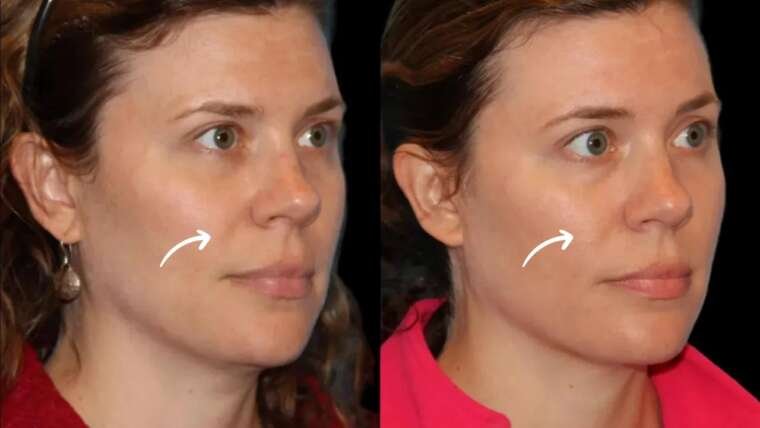
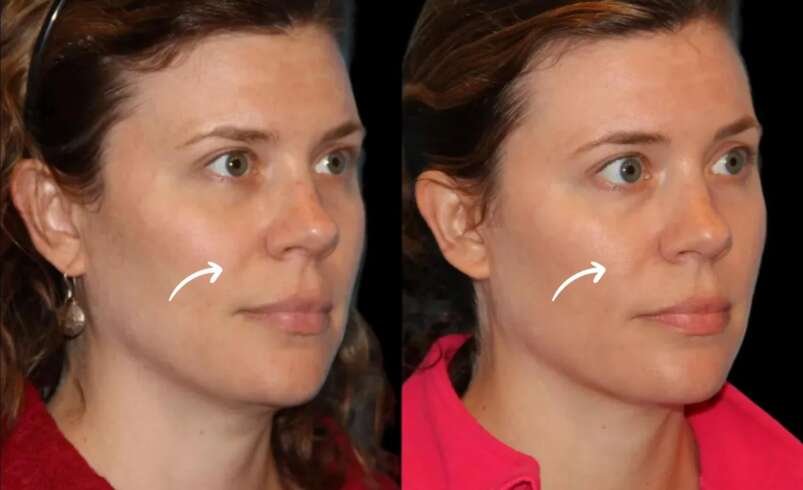
The cheeks are one area where age-related volume changes may become noticeable. However, treatment should be planned according to facial proportions and tissue characteristics rather than a fixed injection pattern. When discussing sculptra cheeks, the practitioner should explain whether the goal is subtle volume support or improvement in the appearance of skin quality.
Neck Concerns
The neck has thinner and structurally different skin compared with many facial areas. Not every injectable product or technique is appropriate for this region. Anyone considering sculptra for neck concerns should receive an individual assessment and a clear explanation of the evidence, suitability, and possible risks.
Body Contouring Claims
Sculptra is also discussed in connection with certain body-contouring goals. However, the use of a product in a particular body area should never be assumed to be approved or suitable simply because it is advertised online.
For example, sculptra for buttocks is a phrase often used in promotional material, but patients should distinguish marketing descriptions from established indications and product-specific regulatory guidance. A consultation should cover the proposed treatment area, the product’s authorized use, the evidence supporting the approach, and the practitioner’s experience.
Terms such as sculptra buttock injections and buttocks sculptra may appear in online discussions, but they do not establish that a treatment is appropriate for every individual. The same caution applies to sculptra for hip dips, where anatomy, expectations, and the limitations of injectable treatments require careful consideration.
A practitioner should not promise a particular body shape or substantial lifting effect. Anyone considering a sculptra filler for buttocks should ask whether the proposed use is consistent with the product’s current local authorization and whether suitable alternatives may offer a more predictable approach.
Choosing a Qualified Clinic for Treatment
Best Aesthetic Clinic in Dubai: What Should You Look For?
Choosing the Best Aesthetic Clinic in Dubai involves more than comparing promotional offers or before-and-after photographs. A suitable clinic should provide an individual consultation, explain the treatment clearly, and discuss both benefits and risks. Patients should be able to ask about the practitioner’s qualifications, experience with the product, injection approach, and follow-up arrangements.
A responsible consultation should also include an assessment of medical history, current medications, allergies, previous injectable treatments, and any factors that could affect healing. The practitioner should explain whether Sculptra is appropriate or whether another option would better match the patient’s goals.
At Perfect Doctors Clinic, treatment discussions should focus on individual suitability, realistic expectations, and clear information about the procedure. Dr. Perfect Celebrity can be referenced in the context of the clinic’s aesthetic treatment consultations, with the recommended approach based on the person’s needs and professional assessment.
Questions to Ask Before Treatment
Before proceeding, consider asking:
- What specific concern is this treatment intended to address?
- Is the proposed treatment area included in the product’s authorized indications?
- What are the practitioner’s qualifications and experience with Sculptra?
- How many sessions may be recommended, and why?
- What results are realistic for my skin and anatomy?
- What side effects or complications should I understand?
- What follow-up care is available if I have concerns?
A clinic should welcome these questions and provide understandable answers. Be cautious of anyone who guarantees a particular result or suggests that every person is an ideal candidate.
Understanding the Cost of Sculptra Treatment
The overall treatment cost can vary according to the number of vials, sessions, treatment areas, practitioner expertise, and the complexity of the treatment plan. The phrase the cost of Sculptra Fillers in Dubai is best understood in this context: there is no single amount that applies to every individual.
The sculptra cost should be discussed during a consultation after the practitioner has assessed the treatment area and explained the proposed plan. A low advertised price may not represent the full cost if several sessions or additional appointments are required.
When comparing options, ask what is included in the quoted amount, whether follow-up visits are covered, and whether the product and treatment details will be provided clearly. The sculptra price should never be the only factor in choosing a provider. Product authenticity, practitioner qualifications, treatment planning, and access to appropriate aftercare are also important.
Safety, Side Effects, and Aftercare
Like other injectable procedures, Sculptra can cause side effects. Common temporary reactions may include redness, swelling, tenderness, bruising, and discomfort around injection sites. These effects often improve over time, but the duration and severity can vary.
More significant complications can occur. These may include infection, persistent lumps or nodules, inflammatory reactions, or other problems related to injection technique and individual response. The possibility of delayed reactions should also be discussed before treatment.
Sculptra should be administered by a suitably qualified and trained medical professional who understands the relevant anatomy and product instructions. The practitioner should use appropriate preparation and injection techniques and provide clear guidance on what to do if an unexpected reaction develops.
Aftercare and Follow-Up
Aftercare instructions should be specific to the treatment plan. Patients should follow the practitioner’s directions regarding facial care, physical activity, and any recommended massage or other post-treatment steps. Instructions can vary, so general advice found online should not replace guidance from the treating professional.
Contact the clinic if symptoms become increasingly painful, severe, or unusual, or if a new concern develops. Seek prompt medical assessment for signs that could indicate infection or another significant complication.
Follow-up appointments allow the practitioner to assess the response and determine whether further treatment is appropriate. Additional sessions should not be scheduled simply because they are included in a package. The decision should reflect the individual’s progress and clinical needs.
Sculptra Claims: What Should You Believe?
Online content may describe Sculptra as a way to restore youthful volume, improve skin firmness, or create long-lasting results. Some of these descriptions relate to the product’s intended collagen-stimulating effect, but they should not be interpreted as guarantees.
Sculptra does not produce the same results for everyone. Outcomes depend on factors such as age, skin condition, anatomy, treatment area, technique, and individual collagen response. It also cannot replace surgery when a person has significant skin laxity or structural changes that require a different approach.
The phrase Celebrity treatments in Dubai may be used in beauty and aesthetic marketing, but celebrity associations or endorsements should not replace evidence-based information. Treatment decisions should be based on the product’s approved use, practitioner expertise, and an honest discussion of potential benefits and limitations.
A useful way to evaluate any claim is to ask whether it is supported by reliable clinical information, whether it applies to the specific treatment area, and whether the result is being presented as a possibility or a guarantee. Clear answers help people make informed decisions without unrealistic expectations.
Frequently Asked Questions
1. What Is Sculptra Used For?
Sculptra is an injectable product containing poly-L-lactic acid. It is designed to stimulate collagen production and may be used for selected concerns involving facial volume and skin structure, depending on the product’s authorized indications and the practitioner’s assessment.
2. Is Sculptra the Same as a Hyaluronic Acid Filler?
No. Hyaluronic acid fillers add volume through a gel placed beneath the skin. Sculptra works by stimulating collagen development over time. The products have different mechanisms and are not interchangeable for every treatment goal.
3. How Long Does It Take to See Sculptra Results?
Results develop gradually rather than appearing immediately. Changes may become noticeable over several weeks or months, depending on the person’s response and treatment plan. A practitioner can explain the expected timeline during consultation.
4. How Many Sculptra Sessions Are Needed?
The number of sessions varies. It depends on the treatment area, the individual’s anatomy, the degree of volume change, and the response to previous sessions. A practitioner should recommend a plan based on assessment rather than a fixed number for everyone.
5. Can Sculptra Be Used for the Body?
Some clinics discuss body applications, but authorization and evidence can differ by treatment area and location. Patients should confirm whether the proposed use is permitted under current product guidance and should not assume that an advertised body treatment is automatically approved.
6. Is Sculptra Suitable for Everyone?
No. Suitability depends on medical history, skin condition, treatment goals, and other individual factors. A qualified practitioner should review relevant health information and explain whether the product is appropriate or whether another option would be safer or more suitable.
7. What Are the Common Side Effects?
Temporary swelling, redness, tenderness, bruising, and discomfort can occur around injection sites. Less common but more significant complications may include nodules, inflammatory reactions, or infection. Patients should understand these risks before proceeding.
8. Can Sculptra Provide Immediate Results?
Sculptra is not intended to provide the same immediate volume effect as a traditional hyaluronic acid filler. Its intended collagen-stimulating effect develops gradually, so expectations should reflect the treatment’s mechanism.
9. How Should I Choose a Sculptra Provider?
Look for a qualified medical professional with appropriate training and experience in injectable treatments. Ask about product authorization, treatment planning, risks, aftercare, and follow-up. Avoid choosing a provider based only on discounts or guaranteed-result claims.
10. Is Sculptra a Permanent Treatment?
No injectable treatment should be described as permanent. Sculptra’s effects can last beyond the initial treatment period for some individuals, but longevity varies. Ageing and other natural changes continue, and any future treatment should be based on a new professional assessment.
Conclusion
Sculptra offers a collagen-stimulating approach to selected aesthetic concerns, but understanding its mechanism is essential before deciding whether to proceed. Its effects develop gradually, results vary, and not every treatment area or aesthetic goal is suitable for this product.
A careful consultation should cover the individual’s concerns, medical history, treatment options, product authorization, expected timeline, potential side effects, and total cost. Choosing a qualified practitioner and setting realistic expectations are more important than relying on promotional claims or guaranteed outcomes.