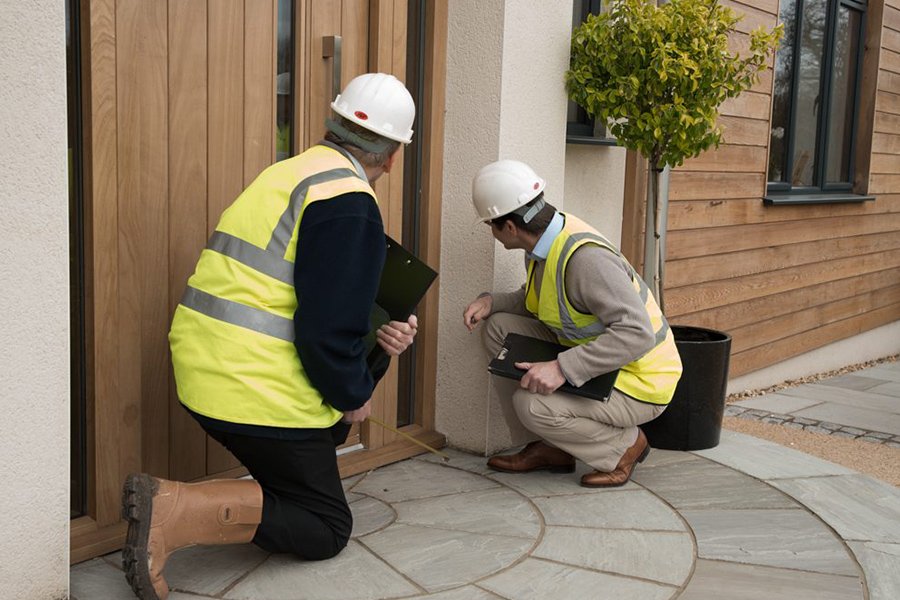



Buying a piece of land is a major decision, especially when the purpose is to build a future home or make a long-term investment. Buying a residential plot in Vrindavan can be an exciting opportunity because the city combines spiritual importance, tourism, improving infrastructure, and a growing residential environment.
However, not every plot is the same. The location, legal documents, connectivity, development, basic facilities, and future potential can make a significant difference to your experience as a property owner.
If you are searching for residential plots in Vrindavan, it is important to look beyond the price. A little research before purchasing can help you avoid unnecessary problems later.
Here are the most important things you should check before buying a residential plot in Vrindavan.
1. Verify the Legal Ownership of the Plot
The first and most important step is checking whether the seller actually has the legal right to sell the property.
Ask for the relevant ownership and title documents and verify them carefully. The property should have a clear title, and there should not be any undisclosed dispute or claim over the land.
If you are unfamiliar with property documentation, consider getting the papers reviewed by an experienced property lawyer.
Documents You Should Check
Depending on the property and transaction, you may need to verify documents such as:
- Sale deed or title documents
- Previous ownership records
- Encumbrance-related records
- Land-use documentation
- Applicable approvals and permissions
- Property tax or revenue records
- Development or layout approvals, where applicable
Never rely only on verbal assurances. Important promises should be supported by proper documentation.
2. Check the Land-Use Status
A plot may look perfect for building a home, but that does not automatically mean it can legally be used for residential construction.
Before purchasing land in Vrindavan, check its permitted land use and whether residential development is allowed under the applicable local rules.
This is especially important if the property is part of a larger plotted development or township.
Ask the developer or seller for clear information about the property’s approved use and any restrictions that may apply.
3. Look at the Location Carefully
Location is one of the most important factors in real estate.
When considering a plot for sale in Vrindavan, don’t simply look at the current surroundings. Think about how convenient the location will be for you several years from now.
Consider its connectivity to:
- Main roads
- Important temples
- Markets
- Schools
- Hospitals
- Public transportation
- Tourist destinations
- Everyday services
- Developing residential areas
A peaceful location is attractive, but it should also provide reasonable access to essential facilities.
Don’t Judge the Location From a Brochure Alone
If possible, visit the site yourself.
Walk around the surrounding area and see what is actually available. Check the approach road, nearby construction, drainage, electricity infrastructure, water availability, and general surroundings.
A site visit can reveal details that may not be obvious in photographs or advertisements.
4. Check Road Access and Connectivity
Good road connectivity can make a major difference to the usability and long-term attractiveness of a residential plot.
Before buying, check whether the property has proper access from a public road or an approved internal road.
If the plot is part of a township, understand:
- Road width
- Internal road development
- Entry and exit points
- Parking arrangements
- Street lighting
- Future road plans
Easy accessibility can make the property more convenient for both personal use and future resale.
5. Understand the Development and Infrastructure
If you are purchasing a plot in a developed township or plotted project, don’t only ask about the size and price.
Find out what infrastructure is already available and what is planned.
Depending on the project, facilities may include:
- Internal roads
- Electricity connections
- Water supply
- Drainage
- Street lighting
- Security
- Landscaped areas
- Parks
- Community facilities
Ask which facilities are already operational and which are proposed for the future. This distinction is important.
6. Check Water and Electricity Availability
Basic utilities are essential when planning a residential property.
Before purchasing a residential plot in Vrindavan, ask how water will be supplied and how electricity connections will be provided.
If the project promises fresh water supply, understand how the system works and whether the infrastructure is already available.
Similarly, clarify the electricity connection process and whether any additional charges apply.
These practical details can have a major impact once you begin construction.
7. Compare the Plot Size and Price
Price is naturally one of the biggest considerations for any property buyer.
But comparing only the quoted price per square yard or square foot may not give you the complete picture.
Look at the total cost, including applicable charges and expenses associated with registration, development, infrastructure, maintenance, and construction.
When comparing plots in Vrindavan, consider:
- Plot size
- Location
- Road-facing position
- Project infrastructure
- Amenities
- Development status
- Connectivity
- Documentation
- Payment terms
A slightly more expensive plot may offer better overall value if it has stronger infrastructure and a more suitable location.
8. Understand the Payment Terms
Before signing anything, make sure you understand exactly how the payment process works.
Ask for a written payment schedule and clarify:
- Booking amount
- Down payment
- Installments
- Registration charges
- Development charges
- Maintenance charges
- Other applicable costs
Avoid making significant payments without proper documentation and receipts.
If there are special offers or discounts, make sure the final terms are clearly mentioned in writing.
9. Check the Reputation of the Developer
If you are buying a plot through a developer, research the developer before making a decision.
Look at the developer’s previous projects, delivery record, customer reviews, and overall reputation.
You can also visit an earlier project if one is available.
This can give you a better idea of how the developer handles:
- Infrastructure
- Construction quality
- Maintenance
- Customer service
- Documentation
- Project commitments
A developer’s track record can be an important part of your decision-making process.
10. Look at Available Amenities
Modern buyers often want more than just a plot.
A well-planned township may offer lifestyle amenities that can make the surrounding environment more attractive for families.
Depending on the project, amenities may include a:
Swimming Pool
A swimming pool can provide residents with a recreational space and make the development more appealing as a lifestyle destination.
Club House
A clubhouse can provide space for social gatherings, community activities, and family events.
Meditation Centre
For people attracted to Vrindavan’s spiritual environment, a dedicated meditation space can add meaningful value.
Jogging Track and Open Gym
Fitness facilities can encourage an active lifestyle without requiring residents to travel elsewhere.
Landscape Garden and Kids’ Play Area
Green spaces and children’s play areas can be particularly useful for families planning to live in the township.
Amenities are valuable, but buyers should still confirm whether they are operational, under development, or only proposed.
11. Think About Future Development
A property purchase should not be based only on what the area looks like today.
Try to understand what is happening around the location.
Are new roads being developed? Are residential communities coming up nearby? Are commercial facilities expanding? Is infrastructure improving?
Future development can influence how convenient and attractive an area becomes over time.
That said, don’t treat proposed infrastructure as guaranteed appreciation. Always distinguish between officially confirmed developments and marketing claims.
12. Consider Your Purpose Before Buying
Everyone buys land for a different reason.
Some people want to build their permanent home. Others are looking for a second home, retirement property, or long-term investment.
Your purpose should influence the type of plot you choose.
For example, someone planning to build a family home may prioritize schools, hospitals, markets, and road connectivity. Someone looking for a peaceful second home may place greater importance on the surroundings and proximity to spiritual destinations.
Understanding your own purpose can make the buying process much easier.
13. Don’t Ignore Resale Potential
Even if you are not planning to sell the property, it is sensible to consider future resale potential.
Factors such as location, accessibility, plot dimensions, surrounding development, infrastructure, and demand can influence how attractive the property may be to future buyers.
A well-located residential plot can potentially be easier to sell than a similar property in a less accessible location.
14. Read the Agreement Before Signing
Never sign a property agreement without reading and understanding its terms.
The agreement should clearly explain the property details, payment terms, possession or development commitments, applicable charges, and responsibilities of both parties.
If anything is unclear, ask questions before signing.
For a significant property purchase, professional legal advice can be worthwhile.
15. Don’t Make a Decision Based Only on Price
A low price can look attractive, but it should never be the only reason to buy land.
A cheaper plot may have issues related to location, connectivity, documentation, infrastructure, or development.
Instead of asking only, “How much does this plot cost?”, ask:
“What am I actually getting for the price?”
This simple change in perspective can help you make a more informed decision.
Why Residential Plots in Vrindavan Are Getting Attention
Vrindavan has a unique combination of spiritual significance and growing modern development. The city’s temples and religious destinations attract visitors throughout the year, while new residential and lifestyle developments are creating additional interest in the surrounding property market.
For buyers who want to build a home according to their own preferences, residential plots in Vrindavan can offer flexibility that a ready-built property may not.
However, property investment should always be approached carefully. Market conditions can change, and appreciation is never guaranteed.
The right approach is to choose a property based on verified information, legal clarity, location, infrastructure, and your long-term requirements.
Final Checklist Before Buying a Plot in Vrindavan
Before making your final decision, keep this checklist handy:
- Verify the property’s ownership and title.
- Check the land-use status.
- Review applicable approvals.
- Visit the property personally.
- Check road access and connectivity.
- Verify water and electricity arrangements.
- Understand all additional costs.
- Research the developer’s reputation.
- Check which amenities are operational.
- Understand the payment schedule.
- Read the agreement carefully.
- Consider your long-term purpose.
- Take independent legal advice when necessary.
Conclusion
Buying a residential plot in Vrindavan can be an exciting step toward building a future home or making a long-term property investment. The city’s spiritual atmosphere, tourism appeal, improving infrastructure, and growing residential development make it an interesting destination for property buyers.
But a good property decision requires more than finding an attractive price.
Take time to verify the documents, understand the location, inspect the infrastructure, compare different options, and clarify every cost before committing your money.
Whether your dream is to build a peaceful home, create a second residence, or hold land for the future, choosing the right plot today can make a significant difference to your experience tomorrow.
Frequently Asked Questions
1. What should I check first before buying a residential plot in Vrindavan?
Start with the property’s legal ownership and title. After that, verify land use, applicable approvals, location, road access, infrastructure, utilities, and the overall terms of the purchase.
2. Is location important when buying a plot in Vrindavan?
Yes. Connectivity to roads, temples, markets, hospitals, schools, and other essential facilities can influence both the convenience and long-term attractiveness of a property.
3. What documents should I verify before buying land?
The exact documents depend on the property, but buyers should verify ownership/title records, applicable land-use documents, approvals, encumbrance-related records, and other relevant property and transaction documents.
4. Should I visit the plot before purchasing it?
Absolutely. A site visit can help you assess road access, surroundings, infrastructure, nearby development, drainage, utilities, and the actual location of the property.
5. What amenities should I look for in a plotted township?
Depending on your requirements, you may consider facilities such as landscaped gardens, a clubhouse, swimming pool, jogging track, open gym, meditation centre, children’s play area, security, water supply, and recreational facilities.
6. Is buying a plot better than buying a ready-made house?
It depends on your needs. A plot can provide flexibility to design and construct a property according to your requirements, while a ready-built home may offer quicker occupancy.
7. How can I choose the right plot in Vrindavan?
Compare location, plot size, price, connectivity, infrastructure, documentation, amenities, developer reputation, and your intended use. Don’t make the decision based on price alone.