
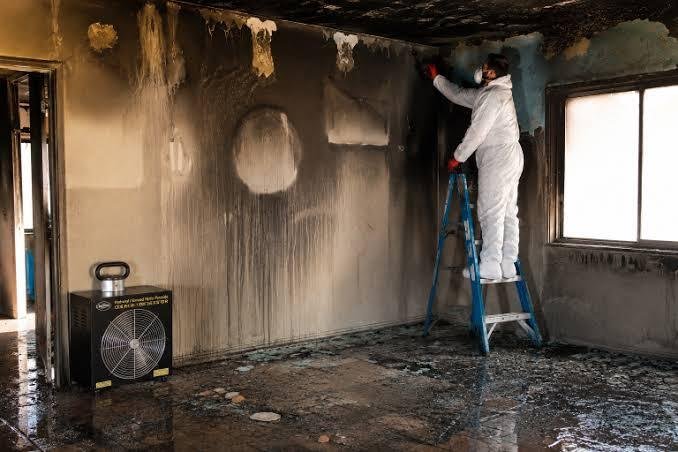

Fire can damage far more than the area touched by flames. Smoke can travel through rooms, soot can settle on surfaces, and water from firefighting can create additional problems. Therefore, property owners need a careful recovery plan that addresses visible and hidden damage.
For homes and businesses in Polk County, Reliable Fire damage restoration can help organize cleanup, drying, repairs, and odor control after a fire. Major Restoration understands that every property has different materials, layouts, and damage levels. A thorough assessment should come before major repairs.
Furthermore, quick action can help protect remaining contents and reduce secondary damage. However, safety should always come first. Property owners should avoid entering unsafe areas or disturbing damaged materials until professionals determine that the space is safe.
This guide explains what to expect during restoration, how smoke affects a property, why water removal matters, and how professional repairs can return a damaged building to practical use.
Understanding Fire Damage After an Incident
Look Beyond the Visible Damage
Fire damage restoration starts with a detailed assessment. Flames may affect one room, yet smoke and soot can spread much farther. Heat can also damage materials without leaving obvious marks.
A restoration professional should inspect walls, ceilings, flooring, insulation, cabinets, electrical components, and structural elements. Additionally, they should identify areas affected by smoke residue and firefighting water.
Different materials react differently to fire. Porous surfaces can absorb smoke odors, while soot may stain walls and fixtures. Meanwhile, water can affect drywall, wood, flooring, and personal belongings.
Five important assessment points include:
- Identify areas directly affected by flames.
- Check nearby rooms for smoke and soot.
- Inspect materials for heat-related damage.
- Look for water intrusion from firefighting efforts.
- Document visible and suspected damage.
Expert fire cleanup and repair should address both immediate and secondary concerns. Therefore, homeowners should avoid cosmetic repairs until the property receives a complete evaluation.
Removing Smoke, Soot, and Odors
Restore Indoor Conditions Carefully
Smoke damage can remain after flames are extinguished. Fine particles may settle on walls, ceilings, furniture, HVAC components, and personal belongings. Consequently, Trusted fire and smoke restoration services should include careful cleaning and odor-control methods.
Soot also varies by the material that is burned. Some residues feel oily, while others leave dry deposits. Using the wrong cleaning method can spread residue or damage surfaces.
Odor control requires more than masking smells with fragrances. Restoration teams may clean affected materials, improve ventilation, and use appropriate deodorizing techniques based on the damage.
Five useful restoration priorities include:
- Remove loose soot before deep cleaning.
- Clean surfaces using material-appropriate methods.
- Assess soft furnishings for absorbed smoke.
- Inspect HVAC areas for smoke contamination.
- Address odors at their source.
Professional fire cleanup and repair can help reduce lingering residue while protecting salvageable materials. Moreover, careful cleaning can prepare surfaces for later repairs and refinishing.
Managing Water and Moisture Damage
Dry the Property Before Rebuilding
Firefighting efforts can introduce large amounts of water into a building. Therefore, Reliable fire damage restoration must consider moisture as part of the recovery process.
Wet materials can develop additional problems if they remain damp. Drywall, flooring, insulation, cabinets, and wood components may require evaluation before restoration continues.
Professionals can use moisture measurements to identify affected areas. They may also remove damaged materials and use appropriate drying equipment. However, drying methods should match the building materials and conditions.
Five practical moisture-control steps include:
- Locate all areas affected by firefighting water.
- Measure moisture in walls and flooring.
- Remove materials that cannot be safely restored.
- Dry salvageable structures appropriately.
- Check affected areas before reconstruction.
Quality fire and smoke restoration services should address water damage instead of treating fire damage alone. Likewise, proper drying can help create a better foundation for later repairs.
For general information about fire behavior and its effects, homeowners can review Fire information .
Repairing and Restoring Damaged Areas
Rebuild Based on the Assessment
Once cleaning and drying are complete, restoration can move toward repairs. Professional fire damage repair company services may include drywall replacement, flooring work, painting, carpentry, fixture replacement, and other reconstruction tasks.
Not every damaged item needs replacement. Some materials can receive professional cleaning and restoration. Therefore, decisions should consider condition, safety, material type, and restoration feasibility.
Structural concerns require special attention. If fire affected framing, roofing, load-bearing elements, or other critical components, qualified professionals should evaluate those areas before reconstruction.
Five repair considerations include:
- Separate salvageable materials from unsalvageable items.
- Replace damaged structural components when necessary.
- Restore walls and ceilings after proper preparation.
- Match replacement flooring with existing finishes.
- Test repaired systems before returning the area to normal use.
Expert fire damage repair company services should follow the property’s documented needs. Additionally, clear communication helps owners understand which repairs are essential and which are cosmetic.
Protecting Belongings During Restoration
Handle Contents With Care
Fire damage can affect furniture, clothing, documents, electronics, and personal belongings. Therefore, Dependable fire cleanup and repair should consider contents as well as the building itself.
Some items may have smoke odor but remain restorable. Others may suffer heat, soot, or water damage that makes restoration impractical. A careful assessment can help separate these categories.
Contents may need to move to a clean area during construction. Soft goods can require specialized cleaning, while delicate items may need individual handling.
Five useful contents-restoration steps include:
- Photograph damaged belongings before moving them.
- Separate heavily damaged items from salvageable contents.
- Protect clean items from secondary contamination.
- Use suitable cleaning methods for each material.
- Keep records of restored, discarded, or stored items.
Professional fire and smoke restoration services can help coordinate contents with structural restoration. Meanwhile, Trusted fire damage repair company support can keep rebuilding work organized around the condition of the property.
Choosing a Restoration Plan That Fits
Prioritize Safety, Documentation, and Communication
A complete restoration plan should reflect the property’s actual condition. Reliable Fire damage restoration involves more than removing damaged materials. It also requires planning for cleaning, repairs, contents, moisture control, and final inspections.
Property owners should ask for a clear scope of work. The scope should explain what the team plans to clean, remove, repair, or replace. Furthermore, documentation can help owners track progress and communicate with insurers when applicable.
Five practical questions can guide the process:
- What areas require immediate stabilization?
- Which materials can receive restoration?
- What requires replacement rather than cleaning?
- How will moisture and smoke odors be addressed?
- What work remains after the initial cleanup?
Professional fire damage repair company services should also explain the expected sequence of work. Additionally, Expert fire cleanup and repair should prioritize safe conditions before cosmetic improvements.
Major Restoration can help property owners approach recovery with attention to assessment, cleaning, moisture control, repairs, and practical restoration needs.
Conclusion
Take a Careful Approach to Fire Recovery
Recovering from a fire involves more than removing charred materials. Smoke, soot, heat, and firefighting water can affect many parts of a property. Therefore, a thorough assessment should guide every stage of restoration.
For property owners seeking Professional fire damage restoration in Polk County, FL, the process should begin with safety and documentation. Next, specialists can evaluate structural conditions, clean affected surfaces, address moisture, and determine which contents remain restorable.
Good restoration also requires clear communication. Property owners should understand the planned work, expected sequence, and reasons behind major repairs. Furthermore, careful documentation can support insurance discussions when applicable.
The goal is not simply to make a damaged space look clean. It is to address the effects of the fire and return the property to a safe, functional condition. With the right restoration plan, homeowners and businesses can move through recovery with greater clarity and fewer avoidable setbacks.
FAQs
What should I do immediately after a fire?
Prioritize safety and follow instructions from emergency personnel. Avoid unsafe areas, document damage when permitted, and contact appropriate restoration professionals.
How soon should fire cleanup begin?
Cleanup should begin as soon as the property is declared safe. Prompt attention can help limit additional smoke, soot, and moisture-related damage.
Can smoke damage affect rooms that did not catch fire?
Yes. Smoke can travel through openings, ventilation systems, and shared spaces. Soot and odors may therefore appear well beyond the fire’s origin.
Does fire restoration include water damage?
It can. Firefighting water may affect flooring, drywall, insulation, cabinets, and other materials, so moisture assessment often forms part of the restoration process.
How do I choose a fire damage repair company?
Look for a clear assessment, documented scope of work, appropriate restoration methods, strong communication, and experience handling both fire and secondary water or smoke damage.