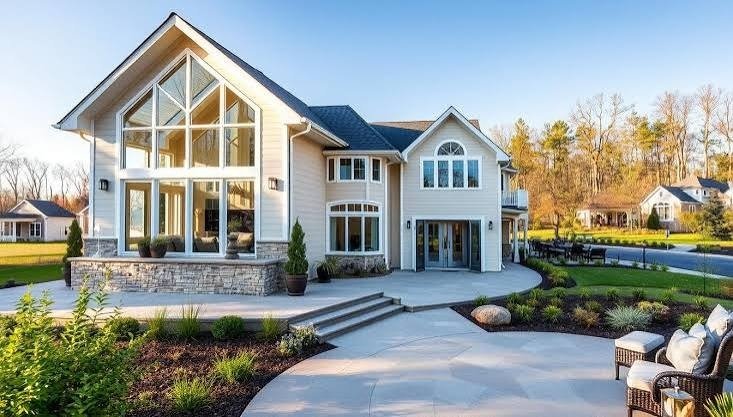

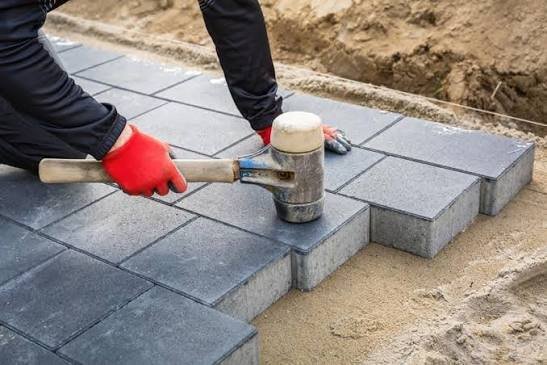

Outdoor spaces in Pinecrest, FL often serve as extensions of the home. A well-planned patio, walkway, or driveway can improve how the property looks and functions. However, good results require more than choosing attractive pavers.
Affordable Pavers Design starts with understanding the space, drainage, traffic, and surrounding landscape. Homeowners also need to consider local weather, maintenance needs, and the purpose of each paved area. For example, a pool deck needs different planning than a front entry or driveway.
Pristine Pools and Pavers can help homeowners think through these practical details before installation begins. A clear plan reduces material waste and helps create a consistent outdoor layout.
Moreover, material selection affects both appearance and long-term performance. Natural stone, concrete pavers, and other options each have different strengths. Therefore, homeowners should compare texture, color, size, installation requirements, and maintenance before making a final choice.
Planning a Practical Paver Layout
Start With Function, Flow, and Drainage
A strong layout should support everyday movement while fitting naturally into the property. Reliable Pavers Design considers how people enter, move through, and use the outdoor area.
Five practical planning points can make the process easier:
- Map traffic patterns: Identify walking routes, parking areas, seating zones, and service access before choosing a pattern.
- Plan drainage: Water should move away from structures without creating low spots or standing water.
- Match scale: Larger pavers can suit broad spaces, while smaller formats can work well around curves and detailed areas.
- Coordinate materials: Colors and textures should complement the home’s exterior, landscaping, and pool features.
- Allow for maintenance: Leave practical access around drains, irrigation points, gates, and landscape beds.
Furthermore, a well-planned layout can reduce unnecessary cuts. Fewer cuts often create a cleaner visual result and simplify installation. Expert driveway paver installation also depends on a properly prepared base, correct slope, and suitable edge restraint.
Homeowners should review the entire layout before work begins. Consequently, design decisions become easier to manage, and costly changes become less likely.
Choosing Pavers for South Florida Homes
Compare Materials Before You Commit
Material choice influences appearance, comfort, maintenance, and durability. Quality Pavers Design should therefore begin with a realistic comparison of available materials.
Here are five useful considerations:
- Surface texture: Choose a finish that provides suitable traction for the intended area.
- Color selection: Lighter shades can create an open feel, while darker tones may provide stronger visual contrast.
- Heat exposure: Consider how surfaces will feel under strong Florida sunlight.
- Maintenance needs: Ask how easily the material handles stains, cleaning, sealing, and everyday wear.
- Design compatibility: The pavers should complement walls, landscaping, pool finishes, and exterior colors.
For many homeowners, durable travertine pavers offer a natural appearance that works well with patios and pool areas. Travertine also comes in varied tones and textures, giving designers room to create subtle patterns.
Additionally, homeowners can research natural stone characteristics through reliable educational resources about Travertine. However, material suitability still depends on the specific installation area.
A professional evaluation can also identify potential issues with existing grades or drainage. Therefore, homeowners should consider the entire site rather than selecting pavers based only on appearance.
Creating Attractive Backyard Paver Designs
Build Outdoor Zones That Feel Connected
A backyard works best when each paved area has a clear purpose. Creative backyard paver designs can define seating areas, dining spaces, walkways, fire features, and pool surroundings without making the yard feel crowded.
Five design ideas can help:
- Create defined zones: Use pavers to separate dining, lounging, cooking, and entertainment areas.
- Use borders: Contrasting borders can frame patios and guide the eye without overwhelming the design.
- Connect pathways: Link the patio with the pool, garden, side yard, or outdoor kitchen.
- Blend hardscape and greenery: Leave appropriate planting areas between paved sections.
- Repeat design elements: Similar colors or patterns can make separate outdoor areas feel unified.
Meanwhile, scale matters. A pattern that looks balanced on a small patio may appear too busy across a large yard. For that reason, homeowners should view samples within the actual space.
Professional backyard paver designs can also account for furniture placement. Marking the footprint of tables, chairs, grills, and loungers helps determine how much paving the area really needs.
Finally, consider sightlines from inside the house. A patio should look appealing from both the yard and nearby interior rooms.
Designing a Durable and Welcoming Driveway
Focus on Base Preparation and Everyday Use
Driveways face more pressure than many decorative hardscape areas. Vehicles create repeated loads, while rain can expose weaknesses in drainage and base preparation. Therefore, dependable driveway paver installation requires careful preparation.
Keep these five points in mind:
- Prepare the base: Remove unsuitable material and build a stable foundation appropriate for the site.
- Control water: Establish proper slopes so runoff does not collect near the home.
- Install firm edges: Edge restraints help keep pavers aligned under repeated vehicle movement.
- Plan turning areas: Account for vehicle paths, parking spaces, and garage access.
- Inspect joints: Proper joint material helps maintain alignment and reduce movement.
A driveway should also complement the home’s front elevation. Affordable driveway paver installation does not have to look basic. Simple patterns, borders, and coordinated tones can create a polished appearance without excessive visual detail.
Additionally, walkways should connect logically with the driveway. This approach creates safer pedestrian movement and gives the entire front yard a more organized appearance.
Getting Better Results From Professional Installation
Ask the Right Questions Before Work Begins
Good materials still need careful installation. Trusted Pavers Design depends on proper measurements, base preparation, drainage planning, cutting, alignment, and finishing.
Five questions can help homeowners evaluate an installation plan:
- How will the base be prepared? Ask what site conditions may affect excavation and foundation depth.
- How will drainage be handled? Confirm where water will flow after installation.
- What edge restraints are planned? Strong edges help maintain the layout over time.
- How will cuts be managed? Clean cuts can improve borders, curves, and transitions.
- What maintenance will the surface need? Understand cleaning, joint care, and sealing requirements before completion.
Homeowners should also request clear material specifications. Professional paver installation near me should involve more than comparing the lowest quoted price. A useful evaluation includes workmanship, preparation methods, material quality, project scope, and maintenance guidance.
Moreover, experienced installers should explain potential site challenges before construction starts. Reliable paver installation in Pinecrest, FL should also include clear communication about scheduling, access, preparation, and final cleanup.
Pristine Pools and Pavers can be part of that planning process when Pinecrest homeowners want to organize their outdoor paving project around practical site conditions.
Making Your Investment Work for the Long Term
Balance Appearance, Durability, and Maintenance
The best outdoor paving plan balances what looks good with what works well. Smart Pavers Design considers current needs while leaving enough flexibility for future landscaping, furniture, or outdoor improvements.
Five long-term considerations deserve attention:
- Choose suitable materials: Match the paver type to traffic, moisture, sunlight, and intended use.
- Protect drainage paths: Keep drains and runoff routes clear after installation.
- Maintain joints: Replace or refresh joint material when needed to help preserve stability.
- Clean correctly: Use methods recommended for the specific paver material and finish.
- Inspect regularly: Look for movement, damaged edges, stains, or drainage changes before small issues grow.
Similarly, expert travertine pavers can provide an attractive natural-stone option when their characteristics suit the project. However, homeowners should still consider maintenance and site conditions.
A thoughtful plan also avoids overbuilding. Not every section of a backyard needs paving. Leaving room for plants, soil, and drainage can improve the overall balance of the property.
Conclusion
A Practical Approach to Better Outdoor Spaces
A successful paving project begins with planning rather than products alone. Pinecrest homeowners should consider drainage, traffic, material performance, maintenance, and the overall relationship between hardscape and landscaping.
Reliable backyard paver designs in Pinecrest, FL can create useful outdoor zones while supporting the home’s existing architecture. Furthermore, careful material selection helps homeowners avoid choices that may require unnecessary maintenance later.
For driveways, proper base preparation and drainage deserve special attention. For patios and pool areas, texture, comfort, layout, and visual balance matter just as much. Meanwhile, clear installation planning can reduce surprises during construction.
The goal is not simply to cover an outdoor area with pavers. Instead, the finished space should support everyday use and remain practical over time. With thoughtful measurements, suitable materials, and careful workmanship, homeowners can create patios, walkways, driveways, and entertainment areas that fit the character of Pinecrest properties.
FAQs
What type of paver works well for Pinecrest patios?
Travertine, concrete, and other suitable pavers can work well. The best choice depends on drainage, traffic, appearance, and maintenance needs.
How should homeowners prepare for paver installation?
Clear the work area, identify drainage concerns, confirm measurements, and discuss the base preparation plan before installation starts.
Are pavers suitable for driveways?
Yes. Properly installed pavers can support residential driveways when the base, drainage, edge restraints, and joint system suit vehicle traffic.
How can homeowners reduce paver maintenance?
Regular sweeping, prompt stain removal, proper drainage, and appropriate joint maintenance can help keep paved areas in good condition.
How do I choose a paver layout for my backyard?
Start with how you plan to use the space. Then consider furniture placement, walking routes, landscaping, drainage, and the home’s existing design.