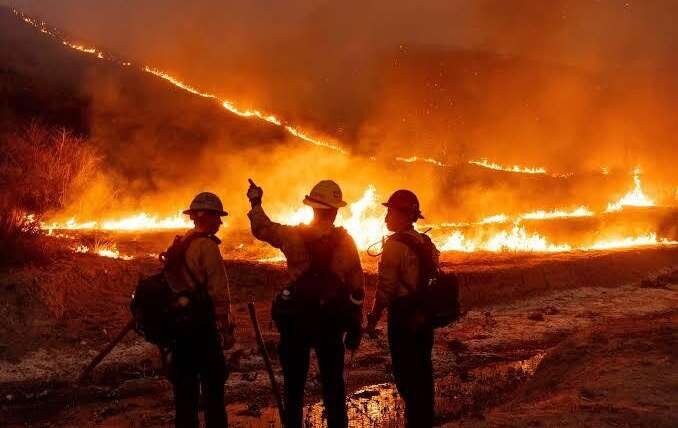

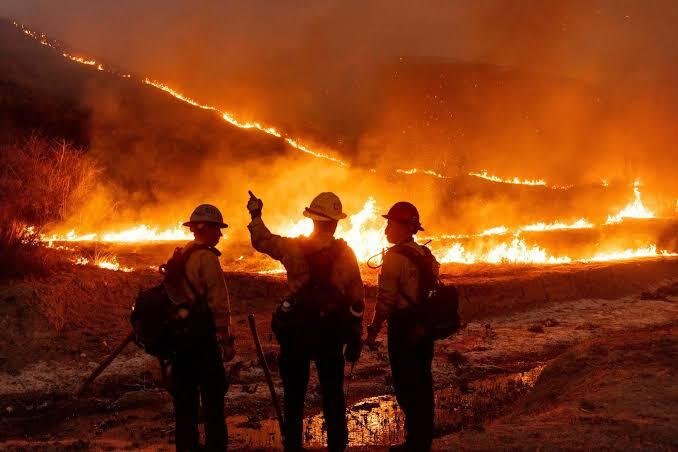

A property fire can disrupt much more than a building. Smoke, soot, water, damaged belongings, and unsafe areas can quickly make normal routines difficult. Families may also face urgent decisions about temporary housing, documentation, repairs, and personal property.
A Reliable Fire Victim relief service helps organize those early steps. Instead of handling every issue alone, property owners can focus on safety while trained professionals assess the damage and outline practical next steps. First Relief provides support for El Paso residents who need clear guidance after a fire affects their home or belongings.
Moreover, fire damage often extends beyond visibly burned areas. Smoke can travel through rooms, while firefighting water can affect walls, flooring, and contents. Therefore, a careful assessment should cover both direct fire damage and secondary problems.
The recovery process also requires patience. Some materials need cleaning, while others may require removal or replacement. With organized planning, homeowners can reduce confusion and make informed decisions throughout the restoration process.
First Steps After Fire Damage
Safety Comes Before Cleanup
The first stage of a Fire Victim relief service should focus on safety and documentation. Entering a damaged property too soon can expose occupants to unstable structures, smoke residue, electrical hazards, or contaminated areas.
Five practical steps can help:
- Wait for clearance: Follow instructions from fire officials before entering affected rooms.
- Document damage: Take photos and videos when it is safe to do so.
- Protect important records: Secure identification, insurance documents, and other essential paperwork.
- Separate safe belongings: Do not move items unless professionals confirm that handling them is safe.
- Record immediate expenses: Keep receipts for temporary lodging, supplies, transportation, and other recovery costs.
Furthermore, homeowners should contact their insurance provider promptly. Ask what documentation the insurer needs and keep copies of submitted records.
A Trusted fire damage repair company can then inspect the property and explain visible and hidden damage. However, repair work should begin only after safety concerns receive proper attention.
Good documentation also helps create a clear recovery record. Consequently, homeowners can better understand what happened and which steps come next.
How Fire, Smoke, and Water Affect a Property
Damage Often Extends Beyond Burned Areas
Fire loss rarely affects only the surfaces touched by flames. Smoke particles can settle on walls, ceilings, furniture, and personal belongings. Meanwhile, water and moisture from firefighting efforts can create additional problems.
Five areas deserve close attention:
- Structural materials: Walls, ceilings, framing, and flooring may require detailed inspection.
- Smoke residue: Soot can discolor surfaces and leave persistent odors.
- Electrical systems: Heat and water can affect wiring, outlets, and electrical equipment.
- Personal belongings: Furniture, clothing, documents, and electronics may need specialized cleaning or evaluation.
- Moisture exposure: Wet materials need prompt attention to reduce further deterioration.
For example, professional Fire restoration services often involve cleaning, drying, deodorizing, and repairing affected areas. Each property needs a different plan based on the type and extent of damage.
Additionally, smoke odors can remain after visible residue disappears. Therefore, surface cleaning alone may not resolve every issue.
A qualified Expert fire cleanup and restoration process should identify the source and spread of contamination. This approach helps avoid cosmetic fixes that leave underlying problems unresolved.
What Professional Fire Cleanup Can Involve
Cleaning, Drying, and Salvaging Belongings
A thorough cleanup requires more than removing charred materials. Professionals may need to clean surfaces, address odors, dry moisture-affected areas, and evaluate belongings for restoration.
Five common parts of the process include:
- Debris removal: Damaged materials are removed carefully according to site conditions.
- Soot cleaning: Appropriate methods help protect surfaces from additional staining or damage.
- Odor control: Professionals identify affected materials and use suitable deodorizing methods.
- Content assessment: Items may be cleaned, restored, stored, or documented for replacement.
- Moisture management: Water-affected areas receive drying and monitoring when needed.
Moreover, Professional fire cleanup and restoration should follow a logical sequence. Removing damaged materials too early can sometimes complicate salvage efforts.
Some possessions may look ruined but still have restoration potential. Conversely, certain materials may not be suitable for cleaning. Therefore, homeowners should avoid discarding items before documenting them and discussing their condition with the appropriate professionals.
A clear inventory also helps track possessions during recovery. Fire prevention can support this process by keeping tasks organized and communicating progress clearly.
Repair Planning and Property Restoration
Build a Recovery Plan Around the Actual Damage
Once the property is safe and cleaned, repairs can begin according to the documented scope. A good plan separates urgent work from cosmetic improvements.
Five practical priorities include:
- Repair structural concerns: Address confirmed damage before focusing on finishes.
- Restore essential systems: Check electrical, plumbing, heating, and cooling systems as appropriate.
- Replace damaged materials: Remove materials that cannot be safely restored.
- Restore interior finishes: Repair drywall, flooring, paint, cabinets, and other affected surfaces.
- Review completed work: Inspect repairs before considering the project finished.
A Skilled fire damage repair company should explain what each repair addresses. Homeowners should also ask about materials, timelines, preparation, and follow-up inspections.
Furthermore, restoration does not always mean replacing everything. Salvaging suitable materials can reduce waste and preserve items with sentimental or practical value.
First Relief can help property owners approach recovery with a clearer understanding of the steps involved. However, homeowners should always verify insurance requirements and obtain appropriate professional evaluations before major repairs.
Choosing the Right Fire Recovery Support
Look for Clear Communication and Practical Expertise
Selecting a service provider can feel difficult after a stressful event. Homeowners should look for clear communication, documented processes, appropriate experience, and realistic explanations.
Five useful evaluation points include:
- Ask about the assessment: A provider should explain what areas require inspection.
- Request a clear scope: Understand which cleanup, restoration, or repair tasks the service covers.
- Discuss documentation: Confirm how photos, inventories, and project records will be handled.
- Review communication: Choose a process that keeps you informed about important changes.
- Clarify next steps: Make sure you understand what happens after cleaning, drying, or repairs.
Moreover, Experienced Fire Victim relief service providers should recognize that every property presents different challenges. A small kitchen fire may require a different response than extensive smoke and water damage across several rooms.
Likewise, Dependable fire recovery services should focus on practical solutions rather than making unrealistic promises. Homeowners benefit from straightforward explanations about what can be restored, what needs replacement, and what requires additional inspection.
Clear communication builds trust throughout a difficult recovery period.
Conclusion
Moving From Immediate Loss Toward Recovery
Fire recovery takes time, but a structured process can make the situation easier to manage. Start with safety, documentation, and professional assessment. Then address smoke, soot, water exposure, damaged materials, and essential repairs in the right order.
For homeowners seeking Reliable fire recovery services in El Paso, TX, practical guidance can make each stage easier to understand. Furthermore, proper documentation can support insurance discussions and help keep the restoration organized.
A strong recovery plan should also distinguish between items that need replacement and belongings that may still be restored. Likewise, repair decisions should follow the actual condition of the property rather than assumptions based only on visible damage.
The right support does not remove every challenge. However, it can provide structure when the next steps feel unclear. By prioritizing safety, careful assessment, thorough cleanup, and informed repairs, El Paso property owners can move through the recovery process with greater clarity and confidence.
FAQs
What should I do immediately after a house fire?
Wait for official clearance, document the damage, contact your insurer, and avoid entering unsafe areas without professional approval.
Can smoke damage affect areas that did not burn?
Yes. Smoke can travel through a property and leave residue and odors on walls, ceilings, furniture, clothing, and other belongings.
What does fire restoration services usually include?
Depending on the property, services may include debris removal, soot cleaning, odor control, drying, content cleaning, repairs, and restoration.
Should I throw away damaged belongings after a fire?
Avoid discarding items before documenting them and checking with your insurer or restoration professional. Some belongings may be salvageable.
How long can fire recovery take?
The timeline varies based on fire severity, smoke and water damage, structural conditions, material availability, and the scope of required repairs.