

Masonry plays a major role in protecting and defining residential properties. Brick walls, stone features, chimneys, walkways, and foundations all depend on sound materials and careful workmanship. Over time, however, weather, moisture, age, and movement can cause cracks or loose sections.
Reliable Masonry work addresses those issues before they become larger structural concerns. Homeowners in Ronkonkoma, NY should look beyond surface appearance when evaluating damaged masonry. A small crack may point to water intrusion, shifting materials, or deteriorating joints. Therefore, early inspection can help identify the actual cause.
Trueline Home Improvement understands that every property has different masonry needs. A repair plan should match the material, location, damage level, and surrounding structure. Moreover, good workmanship should preserve the original character of the property whenever practical.
From brick restoration to chimney repairs, informed decisions can protect exterior surfaces and improve their service life. The right approach also includes proper preparation, compatible materials, drainage awareness, and regular maintenance.
Why Proper Masonry Care Matters in Ronkonkoma
Protecting Structures From Weather and Moisture
Ronkonkoma properties experience seasonal weather changes that can affect exterior masonry. Freeze-thaw cycles, rain, humidity, and temperature shifts can gradually weaken joints and surfaces.
Expert Masonry maintenance helps homeowners identify early warning signs before damage spreads. For example, cracked mortar joints can allow moisture behind brick or stone. Once water enters, repeated temperature changes may worsen the problem.
Five signs deserve prompt attention:
- Cracked mortar: Open joints can allow water to reach underlying materials.
- Loose bricks or stones: Movement may indicate weakened bonding or structural stress.
- White deposits: Efflorescence can signal moisture moving through masonry.
- Bulging surfaces: A wall that shifts outward needs professional evaluation.
- Chimney deterioration: Damaged crowns, flashing, or joints can increase water entry.
Furthermore, homeowners should inspect masonry after severe weather. Early repairs often involve less disruption than major reconstruction.
Proper drainage also matters. Water should move away from walls and foundations instead of collecting beside them. Therefore, masonry care should consider the entire exterior system rather than one damaged spot.
Choosing the Right Masonry Repair Approach
Match the Repair to the Material
Different masonry materials require different repair methods. A repair that works for one surface may create problems on another. Consequently, Masonry planning starts with identifying the material and its condition.
Five practical considerations can guide homeowners:
- Identify the material: Determine whether the surface uses brick, natural stone, concrete block, or another masonry product.
- Inspect mortar: Check whether joints have cracks, gaps, powdering, or loose sections.
- Assess movement: Look for signs that the wall or feature has shifted.
- Check moisture: Identify drainage, flashing, or water-entry concerns near the damaged area.
- Match replacement materials: New mortar and replacement units should suit the existing masonry.
For example, Experienced Masonry repair contractors should evaluate the wall before recommending repairs. Repointing may solve deteriorated joints, while damaged units may require careful replacement.
Moreover, mortar hardness matters. A material that is too rigid for older masonry can create additional stress. Skilled professionals consider compatibility instead of relying on a one-method-fits-all approach.
Homeowners should also ask how the repair will blend with surrounding work. Good preparation and careful color matching can help repaired areas look consistent.
Brick Masonry Repair and Restoration
Address Damaged Joints Before They Spread
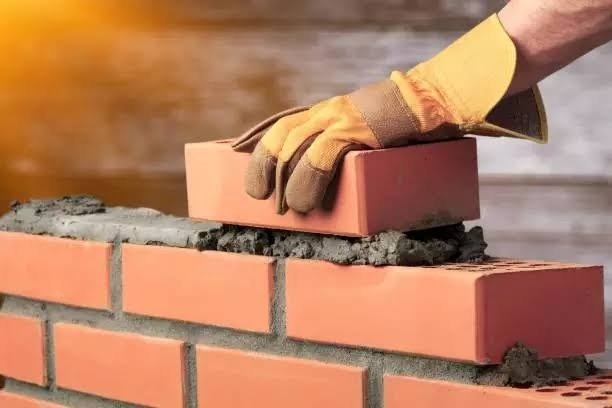
Brick surfaces can remain attractive for decades when homeowners address deterioration early. However, damaged mortar joints can allow moisture into the wall assembly.
Dependable Brick masonry repair focuses on the condition of the joints, bricks, drainage, and surrounding structure. Five practical steps can improve repair planning:
- Inspect the joints: Determine whether mortar has eroded or separated.
- Check individual bricks: Look for cracks, spalling, or loose units.
- Remove damaged material carefully: Avoid unnecessary damage to sound masonry.
- Use compatible mortar: Match the existing wall’s needs and characteristics.
- Control water: Address nearby drainage or flashing issues that contribute to deterioration.
Additionally, Quality Brick masonry repair should preserve sound materials whenever possible. Replacing every brick can create unnecessary expense and may alter the appearance of an older property.
Homeowners can also learn more about traditional brick construction through reputable architectural and masonry resources. Understanding how masonry systems work can make repair discussions easier.
Likewise, repairs should not stop at visible cracks. If moisture causes the damage, correcting the water source can help prevent recurring problems.
Stone Masonry Restoration for Lasting Results
Preserve Character While Correcting Damage
Natural stone offers distinctive texture and character. However, each stone type responds differently to moisture, temperature, cleaning methods, and repair materials.
Skilled Stone masonry restoration should begin with a close inspection of the existing surface. Five areas deserve attention:
- Stone condition: Look for cracks, chips, surface loss, and displacement.
- Mortar joints: Check for gaps and erosion between stones.
- Water movement: Identify areas where runoff collects or penetrates.
- Cleaning methods: Avoid harsh techniques that can damage stone surfaces.
- Replacement matching: Select replacement stone that fits the existing appearance and properties.
Furthermore, Professional Stone masonry restoration should avoid unnecessary replacement. Experienced work often focuses on preserving sound original material.
Stone walls may also develop issues around landscaping, downspouts, or poorly directed runoff. Therefore, the surrounding property can affect restoration results.
Homeowners should ask how the repair team plans to blend new work with older stone. A thoughtful approach can preserve the property’s character while improving stability and weather resistance.
Masonry Chimney Repair and Maintenance
Keep Chimney Problems From Becoming Larger
Chimneys face constant exposure to rain, snow, wind, and temperature changes. Their position above the roof also makes small defects easy to overlook.
Reliable Masonry chimney repair should address both visible damage and potential water-entry points. Five practical inspection areas include:
- Chimney crown: Check for cracks or deteriorated surfaces that can admit water.
- Mortar joints: Look for gaps or crumbling areas between masonry units.
- Flashing: Inspect the roof-to-chimney connection for signs of leakage.
- Chimney cap: Confirm that the top protects the flue and masonry from direct water exposure.
- Brick or stone condition: Watch for spalling, cracks, and loose sections.
Moreover, Expert Masonry chimney repair in Ronkonkoma , NY should account for the chimney’s connection to the rest of the roof system. A visible stain may have more than one possible source.
Homeowners should arrange professional inspection when they notice loose masonry, water stains, damaged flashing, or deteriorated mortar. Timely evaluation can clarify whether the issue requires minor maintenance or more extensive work.
Chimney maintenance also supports broader property care. Keeping water away from masonry can help reduce recurring deterioration.
Long-Term Masonry Maintenance for Ronkonkoma Homes
Build a Simple Inspection Routine
Regular inspections help homeowners catch small defects before they become disruptive repairs. Trusted Masonry maintenance does not need to be complicated.
Five habits can support long-term care:
- Inspect twice a year: Look over walls, steps, chimneys, and other masonry surfaces.
- Watch mortar joints: Address gaps, cracks, and erosion before moisture penetrates deeper.
- Keep gutters clear: Proper roof drainage reduces water exposure around exterior walls.
- Direct downspouts away: Prevent concentrated runoff from soaking masonry.
- Document changes: Photograph recurring problem areas to track movement or deterioration.
Furthermore, Reliable Masonry repair contractors can provide a professional assessment when damage exceeds routine maintenance. Homeowners should ask for a clear explanation of the cause, recommended repair, and expected maintenance.
A good maintenance plan also considers landscaping. Plants, soil, and irrigation systems should not direct excess moisture toward masonry walls.
Trueline Home Improvement can help property owners address masonry concerns with a repair approach based on the condition of the existing structure.
Conclusion
Protecting Masonry Through Timely Care
Masonry contributes to both the appearance and protection of Ronkonkoma properties. Brick walls, stone features, chimneys, steps, and other structures can all develop problems when moisture, weather, and age take their toll.
Reliable Masonry repair contractors in Ronkonkoma, NY can help homeowners understand the cause of deterioration and select an appropriate repair method. Furthermore, early inspections can reveal issues that may remain hidden behind surface damage.
The right repair process should always consider material compatibility, drainage, structural movement, and surrounding conditions. A simple mortar repair may address one issue, while extensive cracking or movement may require deeper evaluation.
Homeowners can also reduce future problems through routine inspections and good water management. Keeping gutters clear, directing downspouts away from walls, and watching for damaged joints can make a meaningful difference.
With careful maintenance and timely professional attention, masonry can continue serving the property for many years while preserving its original character.
FAQs
What are common signs that masonry needs repair?
Cracked mortar, loose bricks, displaced stones, bulging walls, surface deterioration, and recurring moisture stains can indicate a need for inspection.
How often should masonry be inspected?
A visual inspection twice a year is a useful routine. Additional checks can help after severe weather or when new damage appears.
Can damaged brick be repaired without replacing the entire wall?
Often, yes. If the surrounding masonry remains sound, professionals may repair joints or replace only damaged units.
What causes chimney masonry to deteriorate?
Water exposure, freeze-thaw cycles, deteriorated mortar, damaged crowns, flashing problems, and poor drainage can contribute to chimney deterioration.
How can homeowners protect masonry from water damage?
Maintain gutters, direct downspouts away from walls, monitor mortar joints, correct drainage problems, and address cracks before moisture enters the structure.