

Mold can develop quickly when moisture remains inside a home. Leaks, plumbing failures, roof damage, condensation, and flooding can all create favorable conditions. Therefore, homeowners should address both visible growth and the moisture source.
Mold restoration focuses on more than surface cleaning. A proper process identifies affected areas, evaluates moisture, removes damaged materials when necessary, and helps prevent recurring growth.
Tumwater’s damp climate can make moisture management especially important. However, weather alone does not cause an indoor mold problem. Mold needs moisture and a suitable surface to grow.
Professional mold removal should begin with an inspection rather than guesswork. A qualified technician can check walls, flooring, ceilings, insulation, crawl spaces, and other areas that may hold hidden moisture.
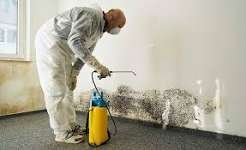
Furthermore, homeowners should avoid disturbing large areas of suspected mold without proper precautions. Scrubbing or removing contaminated materials without a plan can spread particles to nearby spaces.
Early action often makes the restoration process more manageable. As a result, homeowners can focus on correcting moisture problems before damage expands.
What the Mold Restoration Process Involves
A Careful Approach From Inspection to Cleanup
Expert Mold restoration follows a logical sequence. First, technicians identify moisture sources and determine the areas that require attention. Next, they establish appropriate containment and removal procedures.
A thorough project commonly includes these five practical steps:
- Reliable mold damage cleanup starts by identifying the source of moisture.
- Inspect affected rooms and nearby areas for visible or hidden damage.
- Remove unsalvageable porous materials when conditions require it.
- Clean appropriate surfaces using methods suited to the material.
- Dry the affected area and address the underlying moisture issue.
FloodTek technicians should separate cleanup from simple cosmetic treatment. Painting over mold does not solve the underlying problem. Likewise, household cleaners may not address extensive contamination or moisture damage.
Homeowners should also ask what materials can realistically be restored. Drywall, insulation, carpeting, and other porous materials may require different decisions than hard, cleanable surfaces.
Good documentation helps throughout the process. Photos, moisture readings, repair notes, and material assessments can provide a useful record of the work.
Recognizing Signs That Require Professional Attention
Look Beyond Visible Mold
Not every mold concern looks obvious. Musty odors, recurring condensation, discolored surfaces, peeling paint, and unexplained dampness can point to moisture problems.
Professional mold removal becomes particularly relevant when growth covers a significant area, returns after cleaning, or appears alongside water damage.
Homeowners can watch for these five warning signs:
- Effective mold damage cleanup may be needed after flooding or significant water intrusion.
- Watch for musty odors that persist after normal cleaning.
- Check for staining or bubbling on walls and ceilings.
- Look for recurring moisture around windows, plumbing, or exterior walls.
- Investigate mold that returns after previous cleaning.
Additionally, hidden growth can occur behind drywall, under flooring, or around plumbing fixtures. Therefore, visible mold may not represent the full extent of the problem.
The Mold growth process depends on moisture, temperature, and available organic material. Understanding these conditions helps homeowners focus on prevention instead of repeatedly treating symptoms.
When the source remains active, mold mitigation services should address moisture control as part of the overall response.
Preventing Mold From Returning
Moisture Management Is the Foundation
Removing visible growth matters, but prevention requires controlling the conditions that allowed it to develop.
Professional mold mitigation services can help identify moisture sources and reduce conditions that support recurring growth. The exact approach depends on the property’s construction and the source of moisture.
Homeowners can use these five practical measures:
- Reliable mold mitigation services should include attention to moisture sources.
- Repair plumbing leaks as soon as they appear.
- Keep gutters and exterior drainage systems working properly.
- Improve ventilation in bathrooms, kitchens, and other humid areas.
- Monitor damp crawl spaces, basements, and utility areas.
Furthermore, drying wet materials quickly can reduce the chance of persistent moisture problems. After a water event, homeowners should inspect affected areas rather than relying only on visible dryness.
Humidity control can also help. Proper ventilation and suitable indoor humidity levels reduce condensation on cold surfaces.
However, prevention does not mean ignoring existing contamination. If mold has already spread, cleaning and moisture correction may need to happen together.
Choosing a Mold Restoration Professional
Questions Worth Asking Before Work Begins
Choosing a restoration provider requires more than finding the fastest appointment. Homeowners should understand the proposed process and the reasoning behind it.
Trusted mold remediation services should explain the source of moisture, affected materials, planned containment, cleaning methods, and drying process.
Before approving work, consider these five points:
- Experienced mold remediation services should provide a clear scope of work.
- Ask how technicians will locate and control the moisture source.
- Confirm which materials require cleaning and which may require removal.
- Request details about containment and worker safety procedures.
- Ask how the team will verify that affected areas are dry and properly addressed.
Additionally, homeowners should receive clear documentation of completed work. Good records can support future maintenance and help explain what happened if moisture problems return.
A professional assessment should also avoid unnecessary promises. Mold problems vary from one property to another. Therefore, recommendations should reflect actual site conditions rather than a standard package.
Floodtek can help homeowners evaluate restoration needs through a structured approach that considers moisture, affected materials, and the appropriate cleanup strategy.
Long-Term Mold Restoration and Home Care
Keeping Your Home Drier After Restoration
Quality Mold restoration does not end when visible growth disappears. Long-term care helps protect the work and reduces the chance of another moisture-related problem.
Homeowners can follow these five practical habits:
- Reliable mold damage cleanup should be followed by ongoing moisture checks.
- Inspect plumbing connections and water-using appliances regularly.
- Watch ceilings, floors, and walls for new stains or dampness.
- Keep ventilation systems and bathroom exhaust fans functional.
- Address leaks promptly instead of allowing materials to remain wet.
Moreover, homeowners should pay attention after storms or heavy rainfall. Exterior water intrusion can affect walls, crawl spaces, and roofing systems even when damage is not immediately obvious.
Professional mold removal in may resolve the existing contamination, but prevention depends on the property’s ongoing condition. Therefore, routine inspections can provide useful early warnings.
Likewise, mold mitigation services may be appropriate when a home has recurring moisture challenges. Addressing drainage, ventilation, leaks, or humidity can reduce future risk.
Finally, mold remediation services should focus on restoring a safer, cleaner living environment while addressing the conditions that caused the problem.
Conclusion
Mold problems require a practical response that considers moisture, affected materials, cleanup, and prevention. Simply removing visible growth may not solve the issue if water continues entering or accumulating inside the home.
Reliable mold remediation services in Tumwater, WA can help homeowners understand the condition of affected areas and determine appropriate next steps. A careful assessment can identify moisture sources, damaged materials, and areas that may need further attention.
Floodtek provides a useful resource for homeowners who need to evaluate water and mold-related property concerns. Furthermore, clear documentation and a defined restoration plan can make the process easier to understand.
Homeowners should also remain proactive after restoration. Check for leaks, manage indoor humidity, maintain ventilation, and respond quickly to new water damage. These habits can help protect restored areas and reduce recurring moisture concerns.
Overall, informed decisions and timely action can help Tumwater homeowners manage mold problems more effectively while protecting their property for the long term.
FAQs
What is mold restoration?
Mold restoration involves assessing moisture, controlling the source, removing affected materials when needed, cleaning suitable surfaces, and drying the area.
When should homeowners seek professional mold removal?
Professional help is useful when mold covers a large area, returns after cleaning, follows significant water damage, or may exist in hidden spaces.
Can mold return after cleanup?
Yes. Mold can return if the underlying moisture problem remains. Therefore, leak repair, ventilation, drainage, and humidity control matter.
What materials may need removal during mold cleanup?
Porous materials such as severely affected drywall, insulation, or carpeting may require removal when they cannot be effectively cleaned and dried.
How can homeowners prevent future mold growth?
Repair leaks promptly, control humidity, maintain ventilation, inspect damp areas, and address water intrusion quickly after storms or plumbing problems.