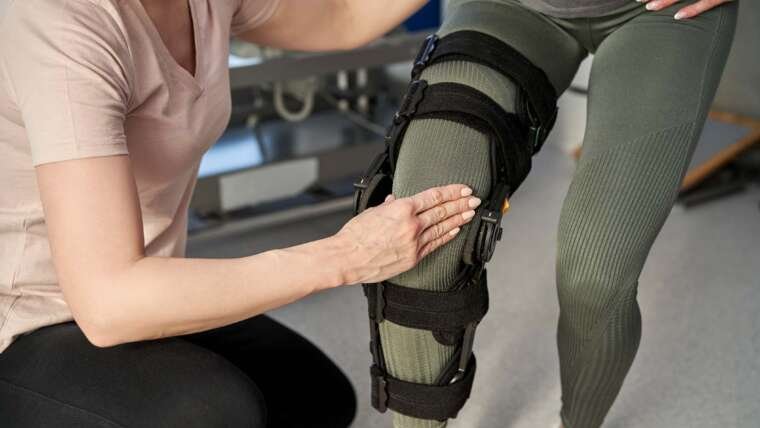

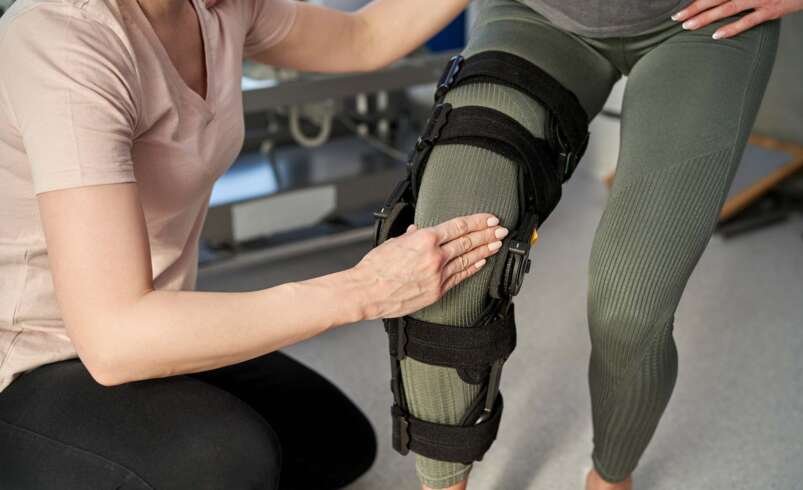

Injuries involving muscles, joints, bones, and connective tissues can affect nearly every part of daily life. Simple activities such as walking, climbing stairs, lifting groceries, exercising, or completing household responsibilities may become uncomfortable when movement is restricted. Whether an injury develops during sports, physical work, exercise, or an unexpected accident, proper rehabilitation can play an important role in restoring strength and mobility.
For individuals experiencing movement limitations, Orthopedic Physical Therapy in Leslie offers a structured approach to injury recovery and improved physical function. Orthopedic rehabilitation focuses on evaluating musculoskeletal problems, reducing movement limitations, rebuilding strength, and helping patients return to their regular activities safely. Understanding which injuries benefit from this type of care can help residents make informed decisions about their recovery.
Understanding Orthopedic Physical Therapy
Orthopedic physical therapy focuses on conditions affecting the bones, muscles, joints, tendons, ligaments, and other structures responsible for movement. Treatment is designed around the patient’s injury, physical abilities, symptoms, and recovery goals.
A physical therapist typically begins with an assessment of joint mobility, muscle strength, flexibility, posture, balance, and functional movement. This evaluation helps identify areas of weakness or restricted movement that may be contributing to discomfort.
Depending on the condition, treatment may involve therapeutic exercises, stretching, manual therapy, balance training, movement education, and gradual strength development. The objective is not simply to relieve symptoms but also to improve the body’s ability to perform everyday activities.
Common Injuries That Benefit From Orthopedic Therapy
Different injuries require different rehabilitation approaches. While some conditions improve with basic rest and appropriate care, others benefit from a structured physical therapy program.
1. Muscle Strains and Soft Tissue Injuries
Muscle strains occur when muscle fibers are overstretched or torn, often during lifting, exercise, sudden movements, or repetitive physical activity. Commonly affected areas include the back, shoulders, hamstrings, calves, and neck.
These injuries may cause tenderness, swelling, muscle weakness, and difficulty performing normal movements. Orthopedic rehabilitation can help restore flexibility and strength through controlled exercises that gradually increase as the affected tissue recovers.
Patients also learn how to improve movement techniques and avoid placing unnecessary stress on healing muscles.
2. Sprains and Ligament Injuries
Sprains involve stretching or tearing the ligaments that connect bones and stabilize joints. Ankle, knee, and wrist sprains are particularly common during sports, exercise, and accidental falls.
A sprained joint may feel painful, swollen, unstable, or difficult to move. Rehabilitation often includes gentle mobility exercises, strengthening, balance activities, and coordination training.
For example, someone recovering from an ankle sprain may need exercises that improve stability and help restore confidence when walking on uneven surfaces.
3. Knee Injuries
Knee injuries can interfere with walking, running, bending, climbing stairs, and standing for extended periods. Common problems include ligament injuries, meniscus damage, tendon irritation, and kneecap-related pain.
Orthopedic physical therapy may help improve knee function by strengthening the quadriceps, hamstrings, and surrounding hip muscles. Therapists can also evaluate walking patterns, joint movement, and muscle imbalances that may contribute to discomfort.
For patients recovering from knee surgery, rehabilitation is especially important for gradually restoring strength, flexibility, and functional mobility.
4. Shoulder Injuries
Shoulder problems can make everyday tasks such as reaching overhead, getting dressed, carrying bags, and lifting objects difficult. Rotator cuff injuries, shoulder strains, tendon irritation, and joint stiffness are common reasons people seek rehabilitation.
Treatment may include controlled shoulder movements, resistance exercises, posture correction, and exercises targeting the surrounding upper-back muscles. The appropriate approach depends on the injury and the patient’s ability to tolerate movement.
Early professional assessment can help determine which activities should be modified and which movements are appropriate during recovery.
5. Back and Neck Injuries
Back and neck injuries may develop because of muscle strains, repetitive movements, lifting techniques, poor posture, or sudden physical stress. Symptoms can include stiffness, reduced mobility, localized pain, and difficulty maintaining comfortable positions.
Physical therapy may address these issues through core strengthening, flexibility exercises, posture education, and movement retraining. Patients can also learn safer ways to lift objects, sit for extended periods, and manage physical tasks.
However, back or neck pain accompanied by progressive weakness, significant numbness, or other concerning symptoms requires prompt medical evaluation rather than relying on exercises alone.
Recovering From Fractures and Orthopedic Surgery
Fractures and surgical procedures can leave surrounding muscles weak and joints stiff, particularly when movement has been restricted during the healing process. Once the treating medical professional determines that rehabilitation is appropriate, physical therapy can help patients gradually rebuild their physical abilities.
Fracture Rehabilitation
After a broken bone heals sufficiently for movement and exercise, rehabilitation may focus on restoring flexibility, strength, coordination, and weight-bearing ability. Treatment depends on the location and severity of the fracture, as well as any restrictions provided by the medical team.
Patients should avoid rushing back into demanding activities before receiving appropriate clearance.
Post-Surgical Rehabilitation
Procedures involving the knee, hip, shoulder, or other joints may require a carefully planned recovery process. Physical therapy helps patients work toward improved mobility, muscle activation, balance, and functional independence.
Following the prescribed rehabilitation schedule is important because progressing too quickly may place unnecessary stress on healing tissues.
Why Professional Rehabilitation Matters
Attempting to recover from an injury without understanding its severity can sometimes create additional problems. Returning to sports too early, performing exercises incorrectly, or ignoring persistent discomfort may delay progress.
Professional orthopedic rehabilitation offers several practical advantages:
- Individualized treatment: Exercises are selected according to the injury, symptoms, and physical abilities.
- Progress monitoring: A therapist can evaluate improvements in strength, flexibility, and movement.
- Safer exercise progression: Activities can be adjusted as the patient becomes stronger.
- Improved movement mechanics: Patients learn techniques that support better posture and joint function.
- Injury prevention education: Strengthening and movement training may help reduce the risk of certain recurring injuries.
Consistent participation and communication with the therapist are essential for making rehabilitation productive.
Choosing an Orthopedic Physical Therapy Provider in Leslie
Selecting a rehabilitation provider requires more than comparing appointment availability. Patients should consider the provider’s experience with their particular injury, the quality of the initial evaluation, treatment options, and communication throughout the recovery process.
It is also helpful to ask how treatment goals are established, how progress is measured, and whether patients receive guidance for exercises at home. A good rehabilitation plan should reflect individual needs rather than relying on the same exercises for every condition.
Sam’s Physical Therapy, P.C. is an option for individuals in the Leslie area who are exploring physical therapy to address orthopedic conditions and improve everyday movement. Learning about the available treatment services and discussing specific rehabilitation needs can help patients determine whether the practice is suitable for their recovery goals.
Take the Right Steps Toward Better Movement
Muscle strains, ligament sprains, knee problems, shoulder injuries, back discomfort, and post-surgical limitations can all affect physical independence. With an appropriate rehabilitation plan, many individuals can work toward improved strength, mobility, and confidence in their daily activities. If an injury is preventing you from enjoying your usual routine, consider consulting a qualified orthopedic physical therapy professional in Leslie to discuss your symptoms and identify a suitable path toward recovery.