
A dependable heating and cooling system plays an important role in maintaining safe, comfortable, and productive commercial and industrial environments. Warehouses, manufacturing facilities, distribution centers, and large commercial buildings often depend on heavy-duty HVAC equipment to regulate indoor temperatures and support daily operations. However, as equipment ages, its performance can gradually decline, resulting in frequent repairs, inconsistent temperatures, and increased operating expenses. Recognizing when replacement becomes the more practical option can help business owners avoid unexpected disruptions.
Considering industrial HVAC replacement Fort Worth TX is particularly important for businesses operating in demanding North Texas weather conditions. Extended summer heat can place significant pressure on large cooling systems, while winter temperature changes create additional heating requirements. Understanding the warning signs of equipment deterioration, evaluating replacement costs, and selecting suitable new equipment can help facility managers make informed long-term decisions.
Signs Your Industrial HVAC System May Need Replacement
Industrial HVAC equipment is designed to handle demanding operating conditions, but even well-maintained systems eventually experience wear. Monitoring equipment performance helps businesses recognize when repairs may no longer provide a practical long-term solution.
Frequent and Expensive Repairs
Occasional repairs are a normal part of equipment ownership. However, when a system repeatedly experiences compressor problems, electrical faults, motor failures, or refrigerant-related issues, maintenance expenses can become difficult to manage.
Businesses should review their repair history rather than evaluating each service call separately. If repair expenses continue increasing and important components frequently fail, replacing the system may offer better long-term value than repeatedly repairing aging equipment.
Inconsistent Indoor Temperatures
Temperature differences between production areas, offices, storage spaces, and other sections of a facility can indicate that an HVAC system is no longer performing properly.
Uneven cooling may result from restricted airflow, damaged ductwork, failing components, or insufficient equipment capacity. Although some issues can be corrected through targeted repairs, persistent problems may indicate that the existing system cannot adequately support the building’s current requirements.
Rising Energy Consumption
An industrial HVAC system that operates inefficiently may require more electricity or fuel to maintain the desired indoor conditions. Dirty components, deteriorating motors, outdated controls, and equipment wear can all contribute to higher operating costs.
Businesses should compare energy usage over time while accounting for changes in operating hours, occupancy, production activity, and weather conditions. Consistently increasing energy consumption may justify a professional system evaluation.
How Aging HVAC Equipment Affects Business Operations
Industrial heating and cooling systems influence more than employee comfort. Their performance can affect equipment operation, inventory conditions, indoor air quality, and daily productivity.
Disruptions to Daily Operations
When an HVAC system stops working, certain facilities may experience uncomfortable or unsuitable indoor conditions. Manufacturing environments, warehouses, and commercial buildings can become difficult to operate when temperatures cannot be controlled properly.
Repeated breakdowns may also require businesses to arrange emergency repairs or adjust operating schedules. Replacing unreliable equipment before a major failure can help facility managers plan the transition and reduce unexpected interruptions.
Indoor Air Quality and Ventilation Concerns
Industrial and commercial buildings often require appropriate ventilation to support indoor air quality. Problems involving filtration, airflow distribution, ventilation controls, or exhaust systems can affect the indoor environment.
An aging HVAC system may struggle to maintain the required airflow or operate effectively with existing building demands. A replacement evaluation should consider ventilation requirements alongside heating and cooling capacity.
Important Factors to Consider Before Industrial HVAC Replacement
Replacing industrial HVAC equipment is a significant investment. Careful planning helps ensure that the new system matches the facility’s actual requirements.
Building Size and Equipment Capacity
The replacement system should be selected according to the building’s dimensions, layout, insulation, occupancy, internal heat loads, and operating schedule.
Industrial facilities often contain different zones with different temperature requirements. A system designed without considering these variations may create uneven conditions or unnecessary energy consumption.
A professional assessment should evaluate the building’s heating and cooling loads before recommending equipment capacity.
Energy Efficiency and Operating Costs
Newer HVAC equipment may offer improved efficiency compared with older systems, but the potential benefits depend on the equipment selected and how it is installed.
Businesses should compare available efficiency ratings, expected operating requirements, maintenance needs, and purchase costs. Looking beyond the initial price helps facility managers understand the potential long-term financial impact of replacement.
Compatibility With Existing Infrastructure
Industrial HVAC replacement may involve more than changing the main equipment. Existing ductwork, electrical connections, ventilation arrangements, control systems, and equipment mounting locations may also require attention.
Before approving a project, ask whether the new system can work with the existing infrastructure or whether modifications will be necessary. Identifying these requirements early helps prevent unexpected expenses during installation.
Why Fort Worth Weather Matters When Selecting New Equipment
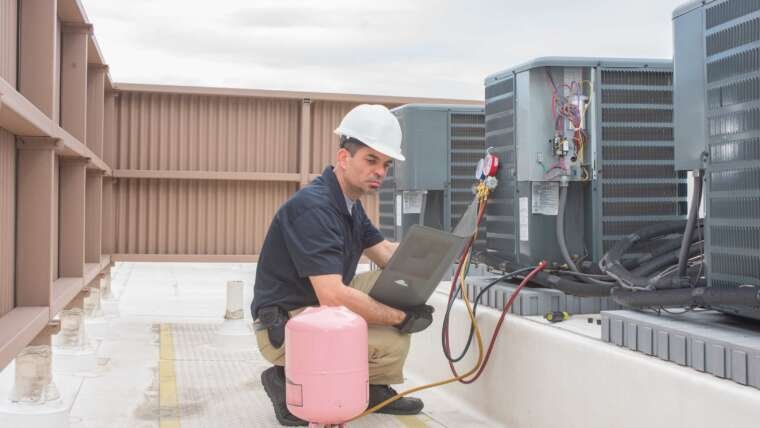
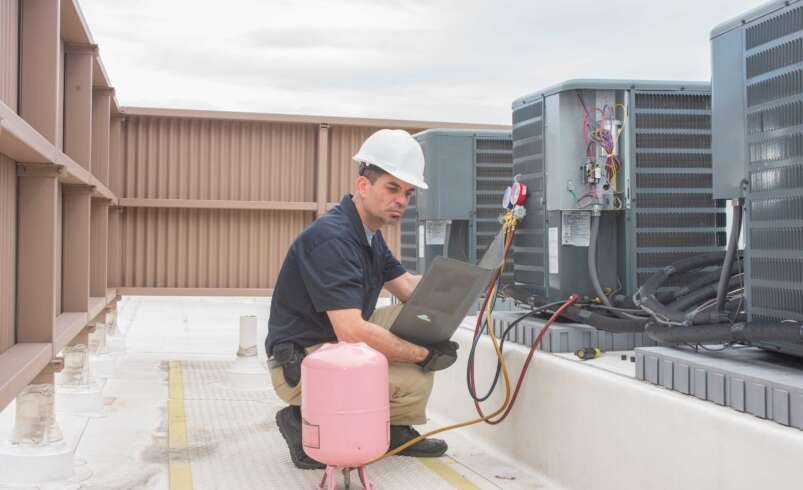
Fort Worth experiences prolonged periods of summer heat that can place considerable demands on industrial cooling equipment. Facilities with large roofs, significant internal heat generation, or frequent loading and unloading activities may face additional cooling challenges.
Dust and outdoor debris can also affect condenser performance when equipment is not maintained properly. Businesses should consider outdoor equipment placement, access for servicing, and protection from unnecessary obstructions when planning a replacement.
Winter conditions should not be overlooked. Industrial properties still require dependable heating during colder periods, particularly when temperature-sensitive operations or occupied workspaces are involved.
Selecting equipment that accounts for seasonal demands and facility-specific requirements can help support consistent performance throughout the year.
Planning an Industrial HVAC Replacement Project
A successful replacement project begins with a detailed evaluation rather than an immediate equipment purchase.
Schedule a Professional Assessment
A qualified HVAC professional should inspect the existing equipment, review its service history, and assess the building’s current heating, cooling, and ventilation requirements.
This evaluation helps determine whether replacement is necessary and identifies any infrastructure improvements that should be included in the project.
Plan Installation Around Business Activities
Industrial HVAC installation can affect normal facility operations, particularly when large equipment must be removed or connected to existing systems.
Facility managers should discuss installation schedules, equipment access, work areas, and possible operational interruptions with the contractor. Planning the project around quieter operating periods may help minimize inconvenience.
Review Warranties and Maintenance Requirements
Before selecting new equipment, understand the manufacturer’s warranty, installation coverage, recommended maintenance schedule, and availability of replacement components.
A clear maintenance plan helps businesses protect their investment and identify developing issues before they affect system performance.
Choosing the Right Industrial HVAC Service Provider
Selecting an experienced contractor is essential when planning a major HVAC replacement. Businesses should evaluate relevant commercial and industrial project experience, technical knowledge, applicable licensing, insurance, and communication practices.
Request detailed written estimates that explain equipment specifications, installation labor, infrastructure modifications, testing, and warranty information. Comparing proposals based on their complete scope of work provides a better understanding of overall project value than choosing the lowest initial price.
For businesses researching heating and cooling services in the Fort Worth area, TX Air Mechanics LLC is a company to consider when evaluating HVAC installation, repair, and equipment replacement requirements. Discussing your facility’s operational needs with a qualified professional can help clarify suitable options and determine the next steps.
Make a Long-Term Investment in Industrial HVAC Performance
Replacing industrial HVAC equipment at the right time can help businesses address recurring breakdowns, improve indoor comfort, and plan for more dependable facility operations. If your existing system requires frequent repairs, struggles to maintain temperatures, or consumes more energy than expected, arrange a professional evaluation. Compare suitable equipment options, understand installation requirements, and choose a solution that supports your facility’s long-term heating and cooling needs.