

Custom brass work combines careful fabrication with a finish that supports both appearance and performance. From decorative components to functional metal parts, brass can suit projects that need durability, detail, and a distinctive look. Expert Brass fabrication and finishing requires more than cutting and joining metal. It also involves accurate measurements, suitable fabrication methods, surface preparation, and consistent finishing.
In College Station, businesses, builders, designers, and property owners may need custom brass components for different applications. Each project can call for a specific thickness, shape, finish, or level of detail. Therefore, choosing the right fabrication approach matters from the beginning.
Alvator Custom Fab provides a practical foundation for discussing custom metalwork, from project requirements to final surface treatment. However, good results also depend on clear specifications and careful quality checks.
This guide explains what to consider when planning brass fabrication, selecting finishes, and evaluating custom metalwork for commercial and residential projects.
Understanding Custom Brass Fabrication
How Fabrication Shapes the Final Product
Brass fabrication involves transforming brass stock into a finished component through cutting, forming, joining, machining, and related processes. Each step affects the final dimensions, strength, and appearance.
Brass fabrication and finishing starts with a clear understanding of the project’s purpose. A decorative panel may need a different approach than a structural bracket or custom enclosure. Therefore, fabricators should review dimensions, tolerances, mounting points, material thickness, and finish requirements before production begins.
Brass comes in different alloys, and each option offers different working characteristics. Consequently, material selection should match the intended application.
Accurate fabrication also depends on proper measurement. Small dimensional errors can create alignment problems during installation. Moreover, clean edges and controlled joins can improve both appearance and function.
For custom work, drawings or detailed measurements provide useful reference points. Photos, sketches, samples, and digital files can also help communicate the desired result.
Overall, careful planning reduces rework and helps the finished brass component fit its intended space.
Choosing the Right Brass Finish
Matching Appearance With Practical Needs
The surface finish can change how brass looks, feels, and performs. Professional Brass fabrication and finishing should therefore consider the environment where the finished component will be installed.
A polished surface can create a bright, reflective appearance. A brushed finish offers a softer look and can reduce the visibility of minor surface marks. Other treatments may create a more aged or subdued appearance.
Before selecting a finish, consider these five practical points:
- Quality Brass finishing and polishing should match the desired appearance and level of shine.
- Consider how frequently people will touch or handle the finished surface.
- Review whether the component will face moisture, chemicals, heat, or outdoor exposure.
- Confirm how the finish should transition around corners, edges, and weld areas.
- Request a sample when appearance plays a major role in the project.
Furthermore, surface preparation matters before polishing or other treatments. Scratches, oxidation, weld discoloration, and uneven surfaces can affect the final appearance.
Good finishing requires patience and consistency. Therefore, discussing the expected result before fabrication can prevent confusion later.
Brass Fabrication Services for Different Applications
Where Custom Brass Components Fit
Custom brass parts can support many design and construction needs. Experienced Brass fabrication services may include custom panels, trims, brackets, rail components, decorative elements, fixtures, and specialty parts.
Five practical considerations can guide project planning:
- Dependable Brass fabrication services should match the material to the component’s intended use.
- Provide exact dimensions and installation requirements whenever possible.
- Identify visible surfaces that need extra attention during finishing.
- Consider how the part will connect with wood, glass, steel, or other materials.
- Discuss production quantities before choosing a fabrication method.
For example, a small decorative component may need detailed hand finishing. A larger commercial order may require repeatable cutting and forming processes.
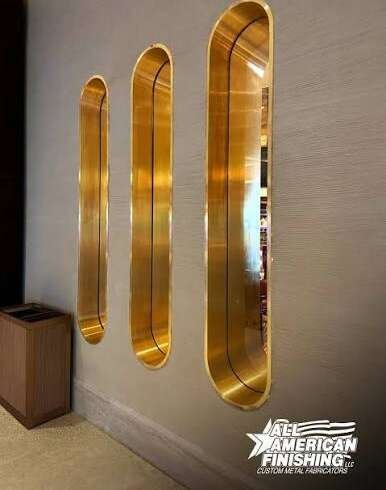
Additionally, brass can work well in projects influenced by architectural metalwork. Its warm appearance can complement modern and traditional interiors.
Fabricators should also account for expansion, fasteners, joint design, and installation access where relevant. These details can influence the final result.
For broader context, architectural metalwork includes many applications where fabricated metal contributes to a building’s design and function.
Commercial Metal Fabrication and Project Planning
Keeping Larger Projects Organized
Commercial projects often require consistent dimensions, repeatable finishes, and clear production schedules. Professional Commercial metal fabrication can support those needs when the project begins with detailed specifications.
Consider these five planning points:
- Reliable Commercial metal fabrication should follow clearly documented dimensions and material requirements.
- Confirm the required quantity and acceptable dimensional tolerances.
- Establish finish standards before production starts.
- Coordinate fabrication with installation dates and site access.
- Review samples or prototypes when the project involves visible custom components.
Moreover, larger projects benefit from clear communication between the fabricator, contractor, designer, and property owner. Changes made late in production can affect material use and scheduling.
Commercial fabrication may also involve mixed materials. Brass components might connect to stainless steel, aluminum, glass, or wood. Therefore, compatibility and attachment methods deserve attention.
A detailed scope helps everyone understand what the fabrication package includes. It can also reduce misunderstandings about finishing, delivery, installation preparation, and revisions.
Precision Metal Fabrication for Detailed Work
Why Accuracy Matters
Some brass projects require tight measurements and consistent repeatability. Expert Precision metal fabrication focuses on producing parts that meet defined dimensions while maintaining a clean finished appearance.
These five practices can improve precision:
- Accurate Precision metal fabrication begins with verified measurements and clear drawings.
- Define critical dimensions before cutting or machining begins.
- Use suitable tools for the required thickness and geometry.
- Check finished parts against the agreed specifications.
- Inspect edges, joints, holes, and visible surfaces before delivery.
Furthermore, precision becomes especially useful when multiple parts must fit together. Even small variations can create alignment issues during assembly.
Fabrication teams may use measurement tools, templates, jigs, or digital production methods to improve consistency. The appropriate process depends on the material, quantity, geometry, and required tolerance.
Quality control should continue throughout production rather than only at the final stage. Early checks can catch dimensional problems before additional fabrication work increases costs.
Alvator Custom Fab can help project owners discuss these details before production begins, allowing the fabrication approach to reflect the project’s actual requirements.
Maintaining the Finish and Finished Components
Protecting Brass After Fabrication
A well-fabricated brass component still needs appropriate care after installation. Trusted Brass finishing and polishing can create the desired appearance, but maintenance practices also affect how that finish ages.
Keep these five habits in mind:
- Professional Brass finishing and polishing should account for the component’s expected maintenance routine.
- Use cleaning products appropriate for the selected brass finish.
- Avoid harsh abrasives that can scratch polished or brushed surfaces.
- Remove moisture and residue when the application calls for regular cleaning.
- Inspect high-contact areas periodically for wear or discoloration.
Brass can naturally change appearance over time. Some owners prefer that developing patina, while others want a brighter appearance. Therefore, maintenance expectations should be discussed before selecting a final finish.
Environmental conditions also matter. Outdoor exposure, humidity, handling, and nearby chemicals can influence surface appearance.
If a component develops scratches or oxidation, refinishing may restore its appearance. However, the correct process depends on the existing surface treatment.
Overall, good maintenance helps custom brass components retain their intended character for longer.
Conclusion
Custom brass work requires thoughtful material selection, accurate fabrication, careful finishing, and realistic maintenance expectations. The right process depends on the component’s purpose, dimensions, environment, and desired appearance.
Reliable Brass fabrication services in College Station, TX can support projects ranging from decorative architectural details to functional commercial components. However, successful results begin with clear specifications. Measurements, material choices, finish requirements, tolerances, and installation conditions should all receive attention before fabrication starts.
Alvator Custom Fab can provide a useful point of discussion when planning custom metalwork and evaluating fabrication requirements. Furthermore, reviewing samples and finish expectations early can help prevent avoidable changes later.
Finally, remember that fabrication and finishing work together. Accurate construction creates the right foundation, while proper surface preparation and finishing help deliver the desired final appearance. With clear communication and sensible quality checks, custom brass components can fit both practical and design-focused applications.
FAQs
What is brass fabrication and finishing?
It involves shaping, cutting, forming, joining, and preparing brass components, followed by polishing or another selected surface treatment.
What types of brass finishes are available?
Common options include polished, brushed, satin, and aged finishes. The appropriate choice depends on appearance, use, and maintenance needs.
Can brass be used for commercial projects?
Yes. Brass can suit commercial fixtures, architectural details, trim, panels, specialty components, and other custom applications.
Why does precision matter in brass fabrication?
Accurate dimensions help components align correctly, fit their installation areas, and maintain consistency across multiple parts.
How should finished brass components be maintained?
Use cleaning methods suitable for the selected finish and avoid abrasive products unless the manufacturer or fabricator specifically recommends them.