
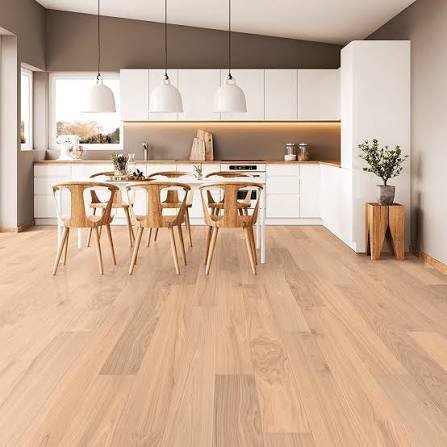

Choosing new flooring affects comfort, appearance, maintenance, and long-term value. Hardwood remains a popular option because it offers a natural look and can suit many interior styles. However, selecting the right species, finish, plank size, and installation method requires careful planning.
Reliable Hardwood flooring can provide a warm foundation for rooms throughout a home. Yet each space has different demands. Kitchens face spills and moisture, living rooms see regular foot traffic, and bedrooms often need a quieter, comfortable surface.
Local homeowners also need to consider pets, furniture, sunlight, and everyday wear. Therefore, flooring decisions should reflect how each room actually functions.
Luxe Flooring helps homeowners explore flooring choices based on room use, design preferences, and practical needs. Moreover, professional installation can help protect the investment by supporting proper fit, transitions, and finishing details.
This guide explains how to choose hardwood for different rooms and what to consider before starting a flooring project in Turnersville.
Choosing the Right Hardwood Flooring for Your Home
Match the Floor to Your Lifestyle
Hardwood flooring selection begins with more than color. Wood species, hardness, finish, plank width, and installation conditions can all affect performance.
Oak remains a common choice because it offers a familiar grain and broad design flexibility. Maple provides a cleaner, more uniform appearance. Hickory offers pronounced grain and a distinctive character. Each option creates a different visual effect.
Therefore, homeowners should consider both appearance and daily use. A busy household may benefit from a finish that helps disguise minor marks. Meanwhile, rooms with abundant sunlight may require attention to color changes over time.
Consider these five practical points before selecting a floor:
- Quality Hardwood flooring should suit the room’s traffic level.
- Review wood species and hardness for expected daily use.
- Compare solid and engineered hardwood for the installation area.
- Choose plank width based on room proportions and design goals.
- Ask about cleaning and maintenance before making a final choice.
Additionally, sample boards can look different under natural and artificial light. Always view samples in the actual room when possible.
Hardwood Flooring for Kitchens and High-Use Areas
Managing Spills, Traffic, and Daily Wear
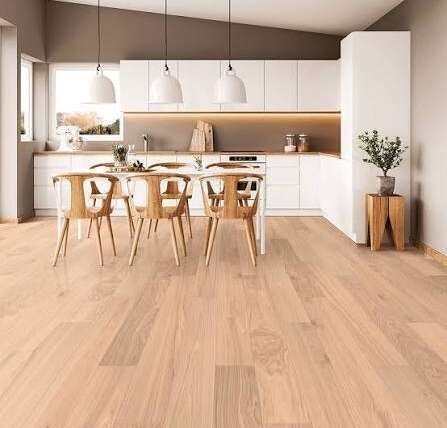
Kitchens demand thoughtful flooring choices. Spills, dropped items, chair movement, and frequent foot traffic can all affect a floor.
Professional Hardwood flooring can work well in kitchens when homeowners select suitable materials and maintain them properly. However, wood remains sensitive to prolonged moisture, so spills should receive prompt attention.
For kitchen planning, focus on these five points:
- Durable Hardwood flooring for kitchens should have a finish suited to regular household traffic.
- Wipe spills quickly rather than allowing moisture to sit.
- Use protective pads beneath frequently moved furniture.
- Consider a finish that helps conceal minor surface marks.
- Confirm that the subfloor meets installation requirements.
Furthermore, transitions deserve attention where hardwood meets tile, stone, or other flooring. A well-planned transition can improve both appearance and everyday movement.
Homeowners should also consider the kitchen’s layout. Wider planks can create a spacious look, while narrower boards may provide more traditional character.
The goal is not simply to choose a beautiful floor. Instead, select a product that fits the kitchen’s conditions and your maintenance habits.
Creating Comfortable Living Room Floors
Balancing Style and Everyday Performance
Living rooms often serve as gathering spaces, so flooring needs to combine visual appeal with durability. Refined Hardwood flooring for living rooms can complement furniture, rugs, fireplaces, and a wide range of interior styles.
Wood grain also adds visual texture without overwhelming the room. Moreover, natural tones can work with both modern and traditional décor.
Keep these five considerations in mind:
- Versatile Hardwood flooring for living rooms should complement the room’s furniture and lighting.
- Choose a finish based on expected foot traffic.
- Consider plank width in relation to the room’s size.
- Use area rugs in high-traffic zones when appropriate.
- Leave suitable expansion space during installation.
Additionally, sunlight can influence the appearance of wood over time. Large windows may expose flooring to strong light for several hours each day. Therefore, discuss finish and color expectations before installation.
For homeowners researching the material itself, Hardwood refers to wood derived from trees classified as angiosperms. Different species offer distinct grain patterns, hardness, and color characteristics.
A well-chosen floor can help create a living room that feels comfortable while remaining practical for everyday use.
Selecting Hardwood for Bedrooms
Comfort, Appearance, and Quiet Character
Bedrooms typically experience less traffic than kitchens or entryways. That gives homeowners more flexibility when choosing color, grain, and finish.
Comfortable Hardwood flooring for bedrooms can create a warm, natural appearance that works well with soft furnishings. Lighter woods can make smaller rooms feel open, while deeper tones can create a more traditional atmosphere.
Consider these five bedroom flooring factors:
- Warm Hardwood flooring for bedrooms should complement the room’s overall color palette.
- Choose plank widths that suit the room’s proportions.
- Consider matte or low-sheen finishes for a softer appearance.
- Use rugs where additional warmth or sound control is useful.
- Check furniture feet and use protective pads to reduce scratching.
Moreover, bedroom flooring should support easy cleaning. Smooth surfaces can make routine dust removal simple, especially for homeowners who prefer minimal maintenance.
Noise can also influence the installation approach. Appropriate underlayment and subfloor preparation can help manage sound where the flooring system allows it.
Finally, consider how the floor will connect to closets, bathrooms, and hallways. Consistent transitions can make the entire home feel more cohesive.
Finding Hardwood Options for Homes With Pets
Durability Without Sacrificing Style
Pets bring unique flooring concerns. Claws can leave marks, while water bowls, accidents, and tracked-in debris can affect surfaces.
Practical Best hardwood flooring for pets should balance hardness, finish, maintenance, and household habits. No hardwood surface is completely scratch-proof. However, some choices can handle everyday wear better than others.
Pet owners should review these five practical points:
- Durable Best hardwood flooring for pets should match the size and activity level of the animals.
- Consider textured or lower-sheen finishes that can disguise minor marks.
- Keep pet nails trimmed to reduce scratching.
- Place mats near exterior doors and water bowls.
- Clean spills and accidents promptly.
Furthermore, wood species with stronger grain patterns may make small marks less noticeable. Finish selection also matters because glossy surfaces can highlight scratches and scuffs.
Homeowners should also ask about refinishing options. Some hardwood floors can receive a new finish after years of wear, depending on the product and installation.
The best choice depends on the entire household. Therefore, discuss pet habits, traffic patterns, and maintenance expectations before selecting a specific product.
Professional Hardwood Installation and Long-Term Care
Protecting the Flooring Investment
Good materials need proper installation. Trusted Hardwood flooring installation begins with subfloor preparation, moisture considerations, accurate measurements, and careful planning around doors and transitions.
Use these five practices to support a successful project:
- Reliable Hardwood flooring installation should begin with a suitable, prepared subfloor.
- Follow product-specific acclimation requirements when applicable.
- Plan plank direction before installation starts.
- Maintain recommended expansion gaps around fixed structures.
- Follow the manufacturer’s cleaning and care instructions.
Additionally, professional installers should inspect the site before work begins. Uneven areas, moisture concerns, damaged subfloors, or transition problems can affect the final result.
Routine care also matters. Sweep or vacuum regularly to remove grit that can scratch the surface. Use cleaning products designed for the specific finish. Avoid excessive water unless the flooring manufacturer permits it.
Luxe Flooring can help homeowners consider material selection, installation details, and maintenance expectations together.
With proper care, hardwood can remain an attractive part of a home for many years. However, performance depends on the product, installation conditions, household use, and maintenance routine.
Conclusion
Choosing flooring involves more than matching a color to your décor. Homeowners should consider traffic, moisture, pets, room function, maintenance, and installation conditions before making a decision.
Reliable Hardwood flooring for Turnersville, NJ can provide a natural foundation for kitchens, living rooms, bedrooms, and other spaces. However, each room deserves a product and finish suited to its specific demands.
Luxe Flooring can help homeowners evaluate flooring options while considering practical details such as plank size, wood species, finish, transitions, and subfloor conditions. Furthermore, discussing maintenance expectations before installation can help prevent avoidable problems later.
For pet owners, scratch management and prompt cleanup should remain priorities. In kitchens, moisture control matters. Bedrooms may allow more flexibility with appearance and finish.
Overall, a thoughtful flooring plan combines design preferences with everyday practicality. By selecting appropriate materials and following proper installation and care practices, Turnersville homeowners can create comfortable spaces that remain attractive through years of normal use.
FAQs
What type of hardwood is best for busy homes?
Harder wood species and durable finishes can suit busy households. The right choice also depends on traffic, pets, and maintenance habits.
Can hardwood flooring be installed in kitchens?
Yes, hardwood can work in kitchens when installed correctly and maintained carefully. Prompt spill cleanup remains essential.
Is hardwood flooring suitable for homes with pets?
Yes. Pet owners should consider wood hardness, finish, grain pattern, and maintenance needs. Protective habits can also reduce visible wear.
How should hardwood floors be maintained?
Sweep or vacuum regularly, clean with suitable products, and avoid excessive moisture. Follow the flooring manufacturer’s care recommendations.
How long can hardwood flooring last?
Its service life varies by wood type, product, installation, traffic, and maintenance. Some hardwood floors can also be refinished as they age.